Transforming African Agriculture with Tech | Susan Njihia, Director of Innovation @ Hello Tractor
Susan Njihia shows how Hello Tractor scales tractor access across 16 African countries by treating innovation as measurable value growth.
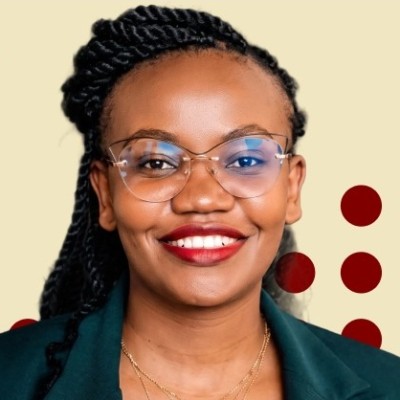
Hello Tractor’s Shared Tractor Model Solves for Access, Ownership, and Timing
Susan Njihia frames Hello Tractor around a simple agricultural constraint, smallholder farmers need mechanization, but tractor ownership is often too capital intensive for individual farmers. The company’s answer is shared use. Its founder, Jahil Oliver, began the business in Nigeria with the idea that farmers could share tractors through what Njihia called collaborative consumption.
That framing matters because it defines the operating problem. Hello Tractor is selling access and coordination as much as machinery. The company must match tractor owners, smallholder farmers, and local agents in ways that fit planting windows, farmer cash flow, and trust on the ground.
The scale is already material. Njihia said Hello Tractor is 11 years old, has 140 to 160 staff members, and works across 16 African countries. “we currently serve 16 African countries,” Njihia said. The company has staff and offices in five countries, Nigeria, Kenya, Uganda, Rwanda, and Ethiopia. That footprint gives the business a wide testing ground, but it also raises the bar for context specific execution.
The playbook is to treat mechanization as a service network. The tractor is the physical asset. The software platform, local agents, farmer data, and operating model turn that asset into usable farm productivity.
Njihia’s Innovation Standard Is Value Growth From 2x to 5x to 10x
Njihia’s definition of innovation is practical. It does not begin with novelty. It begins with value received by the farmer. “it is change in how we offer value,” Njihia said.
Her working test is whether a product, process, or technology increases the value delivered to a customer segment. “So what I need to do to ensure that my value grows from 2x to 5x to 10x then that is the process of innovation,” Njihia said.
That creates a useful screen for climate tech operators serving fragmented markets. An innovation team should ask four questions before scaling an idea.
- Which customer job changes for the farmer, tractor owner, or agent?
- Which metric proves the change, adoption, retention, revenue, satisfaction, or repeat use?
- Which part of delivery changes, technology, product, process, messaging, or timing?
- Can the playbook repeat across farmer groups without losing local fit?
Njihia’s approach keeps innovation tied to use, payment, and trust. Technology can improve operations, productivity, and profitability, but product design also includes slower process work, farmer messaging, and repeatable field methods. For Hello Tractor, that means innovation sits between strategy and field reality.
Excel Sheets, Statistical Packages, and Farmer Repeat Use
Njihia’s background in economics and statistics shapes how she runs innovation. Before Hello Tractor, she worked at Agri Wallet on financial solutions for smallholder farmers. That experience linked data, farmer behavior, and product adoption.
“I love my data,” Njihia said. She described her habit of watching patterns, trends, and measured facts to make decisions. At Hello Tractor, data is part of the validation system. A new product idea starts with assumptions, but it earns credibility through measurable farmer response.
Her measurement loop has three parts.
- Baseline data. The team starts with existing data sets to understand the current farmer experience.
- Behavioral signals. Adoption, satisfaction, and repeat use show whether the product is moving from interest to habit.
- Narrative translation. The team turns the change in numbers into meaning for customers, partners, and internal decisions.
This last step is a discipline. Njihia said her team must “quickly measure and be able to translate any change in data and give it meaning, give it coordinates and give it a function and a narrative.” For climate tech companies, that is the difference between collecting data and building with data. The metric has to alter decisions in the field.
COVID, the Fellowship Entry Point, and Proximity to Farmers
Njihia joined Hello Tractor after her previous agricultural company did not survive COVID. She was considering larger organizations, but one thing kept pulling her back to startup agriculture, proximity to farmers.
Her entry point was a fellowship. In Hello Tractor’s model, fellows contribute value while testing fit with the company and its mission. The planned period was four months. During that time, Njihia made the case for an innovation function inside the company. She stayed because the work matched her vocation and because the team showed deep care for farmers, tractor owners, and community based agents.
The operating insight is that proximity is a strategic asset. When a company is close enough to observe each step in a farmer’s journey, it can tune product, process, and message before scale makes mistakes expensive. Njihia saw Hello Tractor as small enough to listen closely, yet mature enough to build across countries.
Her later rise into director of innovation and chief of staff came through expanding responsibility across customer experience, product, and leadership support. She summarized the internal logic with a line that reads like an operator’s rule, “the reward for hard work is more work.”
Commercial Capital and Impact Capital Need the Same Farmer Proof
Njihia described Hello Tractor as being in a mature series A stage, with growth driven by both commercial and impact based investment. That pairing is significant. Agricultural access companies often need impact alignment because the farmer problem is deep and local. They also need commercial rigor because shared infrastructure requires working revenue models, asset use, and repeatable operations.
Hello Tractor’s case suggests a capital readiness filter for agricultural climate tech.
- Show the access gap clearly, in this case mechanization for smallholder farmers.
- Prove that shared use can change farmer economics without requiring full ownership.
- Track whether farmers come back to the service.
- Build country teams where local context affects adoption.
- Use impact evidence and commercial evidence as one decision system.
Njihia’s contribution is the integration of these pieces into an innovation function. She treats innovation as measured value growth, data as the proof layer, and field proximity as the source of product truth. For African agriculture, that is a playbook for scaling technology without losing the farmer context that makes the technology useful.
Frameworks from this conversation
- Shared Mechanization as Access Infrastructure
- The 2x to 10x Farmer Value Test
- Baseline to Repeat Use Data Loop
- Proximity as an Innovation Filter
Full transcript Click any timestamp to jump to that moment in the video.
-
Cool. Today on the show we have Susan Niia. Susan is the director of innovation and chief of staff to the CEO and COO of a company called Hello Tractor. Uh this company does a lot of things as we will cover in the episode as Susan explains much better than I can. Uh but at base they created uh an
-
infrastructure both uh software platform uh and physical infrastructure to help small holder farmers in Africa have access to tractors. The way that she uh in shorthand I guess a rough idea is Uber for tractors so that more farmers could have access to better tractors uh and not invest all of the money that
-
they typically would need to upfront. Uh hello tractor is actually 11 years old. Uh Susan has been uh with the company for about half of that time but experienced the majority of their growth and leads the innovation chapter within the company. So a lot of what we spoke about was what it means to run a section
-
of a company that is specifically for innovation. How ideas come about how ideas get developed and then how ideas get deployed. Uh there are a number of uh successful examples that Susan has has led from start to finish. uh that we uh learned a lot about. She is amazingly passionate and I was ready to run right
-
through this wall uh and go visit them uh on the ground in Kenya uh where she's based. So uh extremely uh motivating and uh educational episode for me. I know it will be for you as well. Thank you as always to our partners Clean Tech Growth Lab. If you're looking to grow in clean
-
tech, they are the people to do it with. And as always, the producers of this podcast, Crazy Friends. And with that, I give you Susan. Oh, welcome to another episode of The Grove. Shout out to our sponsors mentioned just before this, but without them, it would not be possible to interview awesome people doing awesome
-
things like Susan. Welcome. >> Thank you so much. I'm I'm glad to be here. >> Yes. So before we get into everything you're doing at Hello Tractor, if you could uh give a brief introduction of yourself and what you're building.
-
>> Thank you Blake. Um so Susan Jia is my name. Uh born and bred in Nairobi in Kenya. I am director of innovation at Hello Tractor and I'm also chief of staff to both the CEO and the COO. Um, and I'm happy to talk about Hello Tractor some more um, within this conversation. And yeah, I'm excited to
-
to have this conversation with you, Blake. >> So, how long have we been a Hello Tractor? >> So, I've been um, I marked five years just a month ago. So, Oh, congrats. I'm officially we call we call ourselves here deep at the company.
-
>> Nice. Good. So, five years five years. What how long um and would you consider Hello Tractor to be a startup? I don't know how big you guys are at the moment, but >> um yeah, so I mean we we like to more of more like call ourselves a business pretty much because we have grown um
-
significantly. We are 11 years old. We have 140 to 160 staff members. Some the full-time members being 140, but then we do have lots of, you know, part-time individuals who like to contribute value. >> And we are quite we're well in our mature series A funding. So maybe not quite startup, but >> yeah. But in agricultural terms we still
-
early on depending on the you know the size of the challenge more like a business. >> Yeah. So, so then I guess so my my question was going to be uh before you joined this company you know if we did you know designated it as a startup these types of things if you had always
-
imagined yourself being in this environment but since it's uh uh you know since you guys are such a mature company have you always been in the agricultural space have you always been in the innovation space you know how did you end up uh doing what you're doing >> yeah so we set out to solve of um a big
-
agricultural challenge which is access to mechanization among small holder farmers. Therefore, we have always been within the agricultural industry. We have always been solving for small holder farmers. Um within all the 11 years of of of our existence, we currently serve 16 African countries. Uh but this business started in Nigeria where our founder his name is Jahil
-
Oliver first started and uh the idea that farmers could share tractors more like collaborative consumption of a tractor then four years after him uh we moved to Kenya and we've been here ever since but then we have grown in uh and opened offices in Uganda, Rwanda, Ethiopia and Nigeria being our more like
-
mother state. So overall we are in five countries where we have staff and offices but in 16 countries where we have our fleet size and our farmers. >> So so for you when were you uh when you got the opportunity I guess or you came to the decision to join uh the the
-
executive team were you in the agricultural space beforehand or was this completely new for you? >> Yeah so um I was I have been in agricultural uh industry for 10 years now. I think going to 11 years. Before I joined Hello Tractor, I was at a company called Agri Wallet where we were solving
-
for small holder farmers trying to deal with financial solutions for and loans and overdrafts for the farmers. So I have been within the agricultural um space for quite a while. I didn't necessarily choose it at the time because my background is in economics and statistics. So in my mind I thought I would be a statistician. I love my
-
data. I love to see trends and being able to make strategic decisions out of observation of facts and what can be measured. And therefore when I joined that company um at the time we were more like an implementing partner of a larger company that dealt with different you know industries from health to agriculture to
-
trade and I got really enticed to agriculture really because of the lack and the darth of innovation within agriculture and that's also how I started getting um infatuated with innovation as you know as as architect category and as a skill and this is something that was pretty much intrristic in me something that has been
-
embedded in me over time. So I started um looking into how we can innovate for farmers and how technology looks like for farmers digitization how can frontier innovation be shaped for small holder farmers across the last mile. So I became easily passionate about it.
-
I've been smitten ever since. So by the time I joined Hello Tractor, this was a passion I held dear. We had to start an innovation company and the company I was in and even when I joined in Hello Tractor, I made a big case for innovation as a department and as a vertical that really looks into
-
incubating frontier technology processes and ideologies to fit and embed them into our business model. So yeah, I've been within innovation in agriculture for 10 years now and I think it's going to take a a long while before I move away from it. That is well then that is really interesting that you advocated
-
for creating a specific piece of the company that was focused on uh innovation cuz I what so I think innovation means a lot of different things to a lot of different people but so but when you're creating a a piece of the company designated to it you need a specific definition and which you've
-
done successfully so what would you how would you define um innovation, how would you define innovation for uh for farmers, for agriculture, things like that? >> My favorite definition of um of innovation is a a incremental change. I mean, it can be disruptive or incremental. I I the pace doesn't matter, but it is change in
-
how we offer value. It's how we're increasing the value that we offer to any customer segment and in our case it is farmers. So what I need to do to ensure that my value grows from 2x to 5x to 10x then that is the process of innovation. Innovation can be in the space of technology meaning I'm bringing
-
new technology that will optimize the operations the productivity and profitability of farmers. It can also be a process innovation in the sense that uh a process uh how how am I creating value? How long does it take and and what is my messaging like? What is the methodology that I use? Does it need
-
expedition? Does it need to be slowed down? Does it need to be focused? How am I creating a playbook that can be repeatable among farmers or any customer segment? So, and it can also be like product innovation. So all of that um it can be diverse depending on the tool that you're using but one thing is
-
consistent that there's an increase in value and that value could be things like revenue. It could also be customer delight. It could be um in terms of retention but value starts with how the farmer or any customer is receiving the product and the service that we are creating and whether the we're increasing the the gratification and the
-
fulfillment that they have and whether we are creating meaningful impact. So any increase in value is a function of innovation. Is this you said you said you love uh love your data you love to see trends things like this how much of how much of defining the the increase in value or customer
-
delight that you're saying how much of that is in uh the measuring of particular data and then seeing a trend is that part of what measuring innovation is >> and it goes hand in hand um and and that's why uh I seamlessly transitioned into a field that to me felt like I'm looking beyond the analysis of the data
-
and creation of good predictive models for example to how does it settle with a farmer but innovation goes hand inhand with this level of measurement because you need to to you're always validating your assumptions and validation requires a form of credibility. ility that is tangible and that's where data comes in.
-
Um so I love um looking into baseline information that we have in form of data sets and trying to see what patterns and trends within our data tell us that there's increase in adoption or satisfaction are farmers coming back to the same product and you have to be looking at your data. So it's pretty
-
much embedded. In fact, I'm always within my statistical uh packages. I'm within my Excel I'm always looking at my Excel sheet and my data tools. Uh my team comprises of people who are really good in data because we have to quickly measure and be able to translate any change in data and give it meaning, give
-
it coordinates and give it a function and a narrative that applies to the external customer base and partners. >> Amazing. Yes. Yes. the the turning the data into something meaningful into a narrative into a story. I think that's I think that's amazing and very important.
-
So I appreciate you bringing that up. So so when you when when when we so speaking about Hello Tractor again uh I guess transitioning out of uh Agro Wallet um how how big was the company? How rapidly did you guys uh did did you guys grow while you were director of innovation chief of staff?
-
So my role as director and and and chief of staff is actually recent when I joined the organization I started and I'd like to really give my my story entering Hello Tractor because it's one that I treasure. So um when I left my previous organization still in agriculture I wasn't so sure whether I
-
would get back into a startup or whether I would um I knew that I wanted to stick within the agricultural industry but I thought that maybe I needed to to look like into a multinational organization of sorts and I did try um it was during co and our previous organization didn't survive that season So but then one
-
thing kept leading me back to a startup and that's proximity to the problem in the sense that um there is um there is a startup is small enough to be very close to farmers for example and to really care and be thoughtful about every single step of the journey that a farmer takes. So and I didn't want to lose that
-
just yet. I am not to say that this doesn't exist in large organizations but I truly wanted to be in the field and to hear the farmers some more. So um so I I made a decision to join Hello Tractor as a fellow and fellows are within Hello Tractor are people who like to offer
-
value but without now the money pressure but then you're there trying to navigate is this an a space and an environment I want to stay in and when I joined as a fellow that's when I championed for let's see how we can incubate innovation how do we define innovation with this company it was meant to be 4 months but
-
then I got really attracted to the idea of Hello Tractor, to the model, but truly to the culture that was in Hello Tractor in the sense that these are people who deeply care about the customer segment and the demographic that we're solving for our farmers, our tractor owners, community- based agents, and it's the form of care where
-
decisions are, you know, and products are quite human- centered. We always say human- centered design as a concept, but I and I I really got to quickly feel the the care and the investment that went into the knowledge and the understanding of the context of our farmers and to really know their not only their
-
functional jobs but also their emotional and social jobs and um what how they are um situ where they are situated and what they really care about. And therefore I made a decision that I wanted to stay more in Hello Tractor to really experience more of that and it was instantly meaningful for me. One of the
-
lessons that I had during my fellowship program was the dis to have discipline and conviction around what it is I want to serve in and what vocation I want to you know contribute my energy and my effort and my passion in. And that was more like clarity where I found I love this culture. I love the problem we're
-
solving for. I know how entrenched the challenge is, but I love that we are bold enough to tackle it and that we would have conversation and ending about how we can do differently. So I joined four months later as innovation lead more like mid manager level and I mean I as I told you I have been smitten ever
-
since and there there is a lot of opportunities for growth within Hello Tractor and I started on you know taking on more and with the with the idea the reward for hard work is more work. So I took on you know more work and really diversified myself across the organization across the CX functions and
-
product and the different you know scenarios that Hello Tractor has been dealing with. Now, my transition into chief of staff really came about because I I mean when I was asked about about it, I I I was quite excited because I serve with these two individuals who truly deeply care about the work we're
-
doing. They lead with conviction. They have a high sense of discipline and they are consistent in the decisions that we have been making for the customers that we serve. So it was quite an honor to be a part of people who are doing something noble, something meaningful. And it wasn't about the big or the small is
-
that every work has dignity. And it was a pleasure for me to see how I can foster you know their success and be able to amplify the impact and the vision they have the narrative and the stories they're creating to the rest of the team.
-
>> So and being director of innovation that has always remained consistent with me. It is just what I have been doing but now having a team to lead and shaping the vision and the broader goals that we have as a department. Yeah. So we started when I joined the company we were pretty small because we had just
-
survived COVID but right now we have grown exponentially because of investment coming into the business both commercial and impact based investment and we have had great partners who have seeded our our products and um yeah and so we have grown like you know 20 times more than when I joined the company at
-
the time. It has been a factor of different reasons but I would like to know I'm confident about my part in it and knowing that some of the frontier technologies that we have been integating >> have come to life.
-
>> Susan that's an amazing story. I'm like I'm like getting uh I'm getting fired up. This is awesome. So from your perspective then you you mentioned these uh you know your part in the growth and that's that's an an incredible amount of growth and so from your perspective what has been uh the growth that
-
that the company has experienced but from your perspective why has the company been able to uh not only push for that amount of growth but also correctly handle that growth like something that I also So am interested in is when uh companies receive funding or receive partners, you know, how is what was the
-
uh the correct allocation of those funds in order to uh create the uh the growth that that you guys experienced? So what has your experience been? >> Yeah. Um and and and I and and first of all allow me to speak a bit about the business so that I can point into some
-
specific scenarios. Um we we use IoT technology to connect small holder farmers across emerging markets with tractor owners who have excess capacity. We're more like Uber for tractors. And and we with we we came into this business thinking it was as you know as easy as matchmaking pretty much. But then the problem was soon enough
-
revealed to us the depth of it was known to us. um we got to know about really just how entrenched the problem is and what one of the challenge that we have been trying to fix one of our biggest challenge is that we have more demand for tractor services than the supply of tractors within the region. So
-
trying to solve for this pentup demand has required a lot of intentionality and thoughtfulness in how to do so. Farmers are deeply fragmented in this market. So organization of these farmers was one of the things that we had to solve for and we have managed to bring in products like PZO tractor financing to ensure
-
that we are increasing the number of tractors into the market and then things like mechanization hubs uh that deal with you know these are physical infrastructure where we have agricultural intensity and critical mass of our ecosystem actors people like farmers and tractor owners and oper operators and we are able to be closest
-
to where the problem is but also it gives us an opportunity to offer consistent value. Um so some of the snippets that have allowed us to grow I wouldn't phrase that into let's say investment that came in or uh one of it has been being able to create different profitable pools across the entire
-
supply chain. Um so the customers that we serve our farmers have very low income levels. So if then we bank on being profitable out of farmers then we have to see how do we create a a large pie so that a slice of that pie makes us profitable as a business. So creating
-
profitable pools across the business was one of the things that has accelerated our growth and this is how it looks like. For example, we sell IoT uh based telematics device to our tractor owners on a subscription basis. So every year our tractor owners buy these devices because they create tremendous value. A tractor owner is able to see all the
-
aspects of the tractor from the location of the tractor, the work that has been done, fuel management and you know things like weather maintenance. So because of that value they're able to pay for that device. Then there's the transaction between a farmer and a tractor owner and we take uh a service fee out of that. Um then there is the
-
pay as you go net interest margin where we borrow at a certain cost and then we able to place a margin on top of that and we create certain profit there then through the hubs that I just spoke of where we sell spare parts and you know implement banks to remove the burden of
-
ownership of implements from tractor owners and that so creating some of these profitable pools that then compound and add up makes it more of a profitable business and it has allowed us to grow at scale. Another thing has been to to be uh patient and to to look at the value of blended capital. Uh so
-
we have commercial investors people like John Deere. John Deere is one of our biggest um investor but also not only are they supporting financially but they have expertise about our vertical which is mechanization. So, and they are they have been in a position to guide us and to steer us in a way that will have good
-
commercial returns. But then being able to blend that with impact investment like people from Hifa International who were who seeded our products like PSGO on condition that we look into women and youth who dominate the category of farmers. So blended capital that is patient enough for us to know you know when to say no when to say yes so that
-
we have responsible growth. We are in 16 countries in Africa but then we choose to only lend in five where we have done due diligence and we have partners. So responsible growth and in terms of how we are creatively blending our capital to ensure that we are profitable and that we make commercial returns. And
-
then another thing is culture and you know performance reviews. We work with um it's it's we we try as much as possible to be clear about the strategy that we need to execute on and the culture of making this strategy and the mission have a more meaningful more meaningful value and landing on the
-
staff on the team. So that we are always talking about you know the impact that is being generated. For example 55% of the farmers access tractors for the first time using Hello Tractor and once they do that uh studies have confirmed that the income levels of the farmers rise to 227%.
-
Um so such statistics then move us and create a culture where we truly care about the work and everybody most of the people within the team are locked in and it gives them a sense of purpose to come into the office come into this industry to create tangible value. So there are small very abstract but significant and
-
profound um layers that we can state here that have truly led us to the growth that we have. Yeah. So and I mean I could go on. I could go on. It's a beautiful story. >> Well I I I well some something that you said that's fascinating >> because uh well so I I think the the
-
focus it's it sounds like there's such a spec which has contributed to your success. there's such a specific focus on yes we're creating impact yes we're creating value but we need to be profitable as a business we need to run a good business >> and so from that perspective something that you said was having a really big
-
pie but make making sure that a small piece of that pie because each individual farmer is not going to be able to generate or provide as much revenue because that's the whole thing that you're you're you're working to solve but then running a business uh for serving this population uh if I understand correctly it's it's it's
-
creating a big enough pie so that you know a small slice of that of that pie is still profitable. Has that always been um has that always been the case? Has that always been the uh the idea for generating revenue or has that changed in the course of of you working at the
-
company? >> It has definitely morphed into something bigger than it was when I joined. Um initially we start I mean what we started with the fleet management platform that was the product that was um bringing in revenue and the marketplace that I just described. Um actually the so the fleet management platform is where you know uh this
-
tractor owners are paying a certain fee to get this device to monitor the truck. Um then the marketplace is used by our community- based agents. These are people who have deep relationship relationships with our farmers and trust networks. They are our social capital and they have multiplier effect in the sense that uh the ratio of one agent to
-
farmers is like 1 to 400 farmers. So when you work with one community- based agents, you have access to all these farmers who can then be organized and aggregated into serviceable clusters that are algorithmically matched to tractors that are nearest to them. So that is our marketplace product and when we started the business these
-
were the two deepest and biggest functions of of the company and we yeah and we were making you know good revenue out of these two. But as we have scaled more and as we have increased our costs responsibly we have seen the need to diversify and and create more pools within the entire uh supply chain. And
-
we're not done yet because we are we we we are still solving the problem of mechanization and it is broader than you know we thought about even when we set out to to solve it. So it's it is something that is growing. It is evolving. The pie is getting bigger. But that has been our principle to see how
-
can we deepen our vertical all the more to solve more solution within equipment and mechanization so that we create value for the customers and we become more profitable out of many points within the supply chain. >> Yeah. Okay. So three more questions for you. first one because it's something that that you'd shouted out at the
-
beginning of the episode was uh there are specific things that you've contributed or specific initiatives that you've uh you know generated or started or or whatever in the course of of you being there while you guys have grown.
-
Is there one that sticks out to you? Is there a certain uh project or or something that that you'd created in the company that uh that you know is a particular favorite of yours or something? So within the innovation I can start um I can start with my uh department and then I can move more into the the
-
broader strategic company level uh favorite right so but within the department there what it has to be drone technology drones um so we brought these agricultural drones into you know the markets that we operate in and when we started This was this was like a very strange idea for farmers to even conceptualize and they did not
-
understand why you know some device has to be flying over the land. They had never seen it and they would all come aggregated together to take photos of the drone as it works. And we had our statistics like knowing that it can you know create 40 times more in terms of productivity because of variable rate
-
application get with multi-spectral imaging. It has it creates intelligence of the field in in terms of the quality and where the issues are and because of that intelligence then we're able to offer the right solutions in the right portions to that farm and because of that then productivity is guaranteed. So that has been a favorite because you can
-
see the the wonderment and the awe and the you know the the fulfillment that a farmer has when you bring something that is cheaper, faster and has a promise of productivity. Um so and it has required a lot of sensitization obviously because there can be misconceptions sometimes with new technology and um doubts from
-
farmers on you know what are you what are you all doing? Are you taking images of my farm for other motives? But sensitization is the least of it because now when you let them know when you sell them on the value and on the significance and it becomes an easier topic.
-
>> But that that came from your department, right? >> Yes. Yes. So how did how did that idea start and how did that idea get uh approved you know and then how was it that you rolled it out first and how did it become you know more widespread >> and yeah so this is one among
-
several ideas that we have gotten to to solve on. So this this was more on um so one one of the ideas that we have that we had that where we had the privilege of having uh social funer Bill and Melinda Gates Foundation becoming interested in it and and being able to to fund the
-
experimentation of that idea. So and and how it also and we have to give that credit to them because it was more like an aligned and shared uh motive to scale drone technology within African agriculture. And so being able to have the same language and the same dream with them accelerated the implementation
-
of that. But then when it comes from a like from an idea level, we know what our farmers need and we're always thinking and researching and looking into trends of some of the food bread baskets uh like Brazil or India or Argentina like what are the practices that they using even within the the
-
tractor technology like in terms of autonomous driving and guidance uh looking at seed and and and organic fertilizer things like that um looking at sources of with our digital advisory, what works, what doesn't work. And we we are always looking out for the trends that work for spaces that are food sovereign and net exporters of their
-
food. What is it that they do? How are small holder farmers structured all of that? And and and drone being one of the technology that is used in some of these bread baskets, you know, was an idea that we have always wanted to have.
-
Another one that we once experimented that was a favorite of mine we did in Nigeria was looking at rainfall sources and between two cell towers mobile network um cell towers then any attentuation in the signal can be attri attributed to weather and that is something that we experimented quite heavily because information coming out
-
of that had great resolution was predictable was accurate and some of those good ideas sometimes don't see the light of day because they are dependent on you know other partners that may not plug in in as in instantly as we want them to or different demographics. So that we have a bunch of ideas within the
-
innovation portfolio and some get the light of day because of funding or the timing. Yeah. >> And then one from a company perspective a favorite product that you know we we launched hubs. I spoke about mechanization hubs as a you know a strategic uh product. We call it our beach head uh strategy and this is our
-
mission to go to places with high agricultural intensity create our proximity to the farmers and then have components that are key and profound for our farmers. Things like training. You have to train the human infrastructure around a tractor. Farmers on best practices. Operators on how to drive that tractor. community based agents on
-
maximizing on trust, technicians on uptime and then being able to bring maintenance and you know things that are critical to attractors. So hubs is also one of the products that I led. I was product owner to that product in in in terms of digitizing it and ensuring that it comes from the ground up and it grows
-
to the profitable business it is now. >> Yeah. >> That okay. So then I I just have uh so many questions about this uh this this idea of uh like a chapter of the company that is specifically dedicated to innovation and then how those ideas come about and then how they get approved and how they get
-
all of that stuff. So I think I it's really cool to be able to to walk through a couple of them. Uh maybe we'll have a second episode and we'll just run through all of them. But uh two two more questions for you is uh one as far as growth goes. So you guys have obviously
-
experienced a lot of uh you've had a lot of really good ideas, you've been successful at deploying them, you've had a lot of growth. As far as what your your goals for growth are in the future, what are the hurdles in front of you and how are they also opportunities?
-
>> That's a good question. Um growth for us looks like first of all solving you know the problem of mechanization and that does not mean having more necessarily having more tractors into the region but that every farmer has good access to mechanization.
-
I mean tractors are 40 times faster. They are one/ird the cost of human labor and um they bring about intensification of yield. So our goal is to ensure that we are solving this problem of mechanization. what some of the hurdles some macroeconomic issues that we have to deal with. Number one is you know
-
like fuel changes and and um like you know with the war uh the straight of harmons that have occurred just this year then that have had big implications within our business because tractor owners can barely afford you know the new price of fuel for example and those are macroeconomic issues that we have
-
little or no control over things like climate change with a shifting cropping calendars We have great optimization on our the routes that our tractor owners use to service our farmers because we're trying to optimize the usage of that tractor to ensure that there is maximum utilization for profitability being at the sweet intersection of the tractor owner
-
profitability and farmer productivity. But now with the shifting cropping calendars, sometimes even the best optimization routes and tools and seasonality modeling that we've done uh is at the mercy of climate change. Um and then you know some like FX risk especially in some of our markets like Nigeria that sometimes affects funding and capital coming into agriculture
-
already. it is the one of the you know lowest it it is one of the under capitalized markets anyway. So even when now you reduce that investment into into the industry then it can become hard and some of some are some of those are macroeconomic issues and we have had the privilege of really having people uh
-
from a policy level and global level that have that global ambition to solve those with us but also with local sources and solutions. Then um from things that we can control some of the hurdles have been on organization of demand and ensuring that we have repeatable playbooks across the the markets that we operate in. what works
-
in Kenya doesn't work is not necessarily what will work in Uganda and in Rwanda and Ethiopia and Nigeria and even Kenya alone what works in one certain region is not always what works in another so having creating very localized playbooks that are founded with deep intelligence and understanding of the context that comes with a great deal of
-
inquisitiveness so um yeah so that's like one of them and then the other now being internal operational efficiency. We know the problem we're dealing with. We know how deep it goes and therefore how organized are we internally. How do we structure our objectives and key results? How do we protect focus? How do
-
we set strategy and repeat it and and and form good narratives around it to ensure that everybody is motivated and we are going at the pace that the mission requires. So those are some of the examples that I can list.
-
Well, to be honest, I think uh I when whenever I asked guest that question, um which is something I've appreciated about about this interview so far is that I was like, well, like, you know, I'll tell you about this one thing. You say, well, here's this and this and this and here's the macro thing and then
-
here's the micro and here's the the customers and the farmers and then here's our company. I'm like, this is great. Like literally, we could blow this episode out just into like a college course, you know, about like your own company. Yeah, >> that's so so with all the work that you have done and all the work that there is to
-
do, Susan, I'm curious what inspires you? >> O thanks for that question. Um I think okay and okay, we have learned okay this these are conversations I have with myself. I I wake up every day at 3:00 a.m. I am one of the most passionate people about, you know, this work and and the and all the dignity it
-
deserves. So it it makes me truly show up for it faith show up faithfully and diligently. And this is the conversations I have with myself and the broader conversations that have been happening is we have land and 65% of our inventory is purely agriculture. We have um we have labor we have workforce like
-
60% uh in Africa 60% of population is involved in agriculture right then like in Kenya alone 40% of our GDP comes out of agriculture but then even with and we have intensive land we are in the tropics seasonality works really well for us we have crops off peak and off peak where farms can stay busy across
-
the year, you know, with with the bricks that are needed just for productivity and for for the rest that that natural resource requires. But then even with this all these resources, we still import food and especially commodities like maze and and and rice, we still import food. We are unable to feed ourselves as a nation and it's an enigma
-
because having most of the population in agriculture majority of our GDP coming from agriculture having land resource water soil seasonality so many things that actually work for us but just because of issues like mechanization where we simply don't have we're not capital rich we're not asset rich to be able to afford a tractor for example in
-
these markets. or where we are lacking digitization because technology is maybe yet to reach some of our you know poorest farmers. So that inspires me in the sense that what how can this be an enigma within this day and age. So how can we feed ourselves pretty much how can we make sure that we're not importing any more
-
food? How can we be food sovereign and a net exporter? That we organize ourselves deeply enough that we really go hard at it. That companies like us, Hello Tractor, collaborate with other companies that are solving the problem of food security. And for once in a year, we say we fed ourselves. And not
-
only did we feed ourselves, we sent food to people who actually need it. And we're exporting. And that money is coming to to fix our broader economy, fixing our roads, our education, and all of that. It is a big hairy audacious goal for us. We It inspires us every day to at least solve for community after
-
community, a county after county until the entire country gets it and until the entire region actually is is affected by it. So that that inspires me to pretty much just feed ourselves and and I love it and I and I won't stop until that becomes a reality. It may not be in my
-
generation. And I'm hoping I'm hoping I get to see the light of it. But I'm think I know that we are putting in what is needed and meaningful work that will move a needle that will create this uh great um cascade of whatever solution, whatever result and outcome it will get into.
-
>> Well, that is amazing. And I know for a fact with people like you working on the problem, I do believe it'll happen uh sooner than it sooner than it might seem. I mean the the intensity that you're speaking about it with is uh is really amazing. If there was anyone else that was inspired to uh follow along or
-
get in touch, what's the best what's the best way to do that? >> Um yeah, so my handle is active on LinkedIn, our company website, uh ww.hellotractor.com. Um if you write an email to hello hello@hellractor.com, it's the easiest. We're so easy to find and I'm happy to connect directly with individuals who will be interested to
-
plug into opportunities within our business. >> Great, Susan. Thank you so much. This was so much fun and I'm excited for the next one to see how much more progress you guys have made. >> Thank you. Thank you so much for having me.