
The Future of Water Testing | Vernon LaLone, Founder & CEO @ Wave Lumina
Vernon LaLone spent a decade perfecting Raman spectroscopy on pharma drug accumulation before pointing it at PFAS, the chemical the EPA regulated in April 2024.
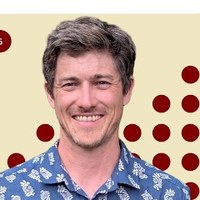
From Poggram-Scale Drug Detection to PFAS in the Field
Vernon LaLone did not start in water. He started in immunology at Michigan State, then moved into pharmaceutical analytical R&D, then earned a PhD in pharmaceutical science at the University of Michigan studying drug bioaccumulation with Raman microscopy, a technique that scans samples with a laser to produce molecular fingerprints at extremely small scales. "We developed this really cool technology to measure poggram quantities of small molecule drugs inside immune cells," LaLone said, describing work focused on the lung and liver where drug metabolism concentrates.
The framework here is transferable expertise before transferable market. LaLone did not choose PFAS because he loved environmental science first. He chose it because he had spent close to a decade mastering one specific type of spectroscopy and needed a problem large enough to justify it. That sequencing, deep technical skill first, market search second, shaped everything that followed.
The Three False Starts Before Wave Lumina
Before founding Wave Lumina, LaLone hit two dead ends that taught him what a real market looks like. The first came at the University of Michigan, where his tech transfer office handled commercialization decisions for the drug bioaccumulation work. "We weren't really thinking entrepreneurially at that point. We were thinking more how do we solve this very technical problem," he said. The science worked. The buyer pool did not exist, since only a handful of labs worldwide studied that specific phenomenon.
Instead of pivoting, LaLone doubled down, taking a three-year postdoc at Imperial College London to extend the technique into 3D cell systems. Same result: fascinating research, no commercial path. The pattern repeats until he landed a role as director of R&D at an analytical testing lab in Northern Michigan, where PFAS testing was one of the markets he was tasked with expanding into. That job did not require him to invent new science. It required him to notice a gap.
Why Turnaround Time Is the Real Bottleneck in Water Testing
The gap LaLone noticed was not accuracy. Accredited PFAS testing already runs on EPA-certified methods using LC triple quad mass spectrometers, validated over years of study. The problem was speed. "The turnaround time from a sample shipment to the lab to the result shipment back to the customer, it can be weeks to sometimes months," LaLone said. Utilities and industrial sites were paying significant money for accredited results and then waiting on a timeline disconnected from how contamination actually needs to be managed.
That observation became the thesis for Wave Lumina: take spectroscopy expertise built for pharma drug detection and repoint it at PFAS, aiming for a field-deployable tool instead of a lab-bound one. "If there was a rapid tool that somebody could take out in the field and get a real-time rapid result, I wonder what the value on that would be versus what they're currently paying and waiting weeks for," LaLone said. The company's positioning follows directly from this gap analysis: not a claim that existing lab science is wrong, but that its delivery model is mismatched to the urgency of the problem.
The Carbon-Fluorine Bond: Why PFAS Persists and Why Regulation Is Catching Up
LaLone's explanation of PFAS itself follows a simple structural logic. PFAS molecules resemble soap, a carbon chain with a charged head group, except the hydrogens along that chain are replaced with fluorine. "The carbon-fluorine bond is one of the strongest bonds that's present in organic molecules," LaLone said, and that bond strength is precisely what made PFAS valuable for firefighting foam, Teflon coatings, and waterproof gear, and precisely why it does not break down in the environment.
Regulation is now catching up to that persistence. LaLone noted that in April 2024 the EPA issued drinking water regulations on six specific PFAS compounds, a list he said has since narrowed to two, alongside state-level rules. Contamination sources extend well beyond consumer products: industrial sites, closed military bases, and metal plating facilities that historically used AFFF firefighting foam. The health risk profile LaLone described is chronic, low-level, long-term exposure rather than single high-dose events, which is exactly why fast, repeatable, field-based testing matters more than one more accurate lab method sitting weeks away from an answer.
Why the Name Wave Lumina Is Literal, Not Marketing
LaLone's naming logic mirrors his technical logic. "We're focused on water, so there's waves, right? But also, light behaves as a wave," he said, adding that the company uses light to "illuminate the unseen." It is a small detail, but it reflects how directly LaLone ties company identity to the physics doing the actual work, rather than to abstract branding.
Frameworks from this conversation
- Deep Skill First, Market Search Second
- Turnaround Time as the Hidden Bottleneck in Water Testing
- The Carbon-Fluorine Bond as the Root Cause of PFAS Persistence
- Learning Market Fit Through Two Failed Academic Commercializations
Full transcript Click any timestamp to jump to that moment in the video.
-
Go. Today on the show we have Vernon Lone. Vernon is a founder at Wave Luminina who are pioneering a technology to do on-site PAS detection for water sampling. And for anyone that doesn't know what that means, well, listen to the conversation. But in short, uh we have uh a whole industry of individuals
-
that are in charge of maintaining the quality of water that goes into our uh bathrooms and sinks and drinking water. There are a number of chemicals that get uh measured all the time and there's a very complicated process to do so. Uh it's very expensive and laborious and prone to error. Vernon's technology is
-
challenging the status quo and making it more feasible for companies to be more accurate and therefore make drinking water portable water in general more safe uh relative to PAS. So, uh great conversation. He brings a great energy, very inspiring what he's building and uh I know it will be for you as well. Shout
-
out as always to our sponsors, Clean Tech Growth Lab. If you're looking to grow in climate tech, they are the people to do it with and the producers of this podcast, Craze and Friends. And with that, I give you Vernon.
-
Hello. Welcome to another episode of The Grove. Shout out to our sponsors mentioned just before this. Without them, it would not be possible to interview awesome people doing awesome things like Vernon. Welcome. >> Thank you, Blake. Happy to be here. Very excited. I am even more happy that you are here because uh ever since we got
-
contacted about doing this episode. I have been looking into what you're building and uh it's in water which anyone that uh has been watching this is a favorite of mine and I think um uh the the solution you have, the technology, the approach, it's all very inspiring. I don't want to spoil anything for
-
anybody. So, uh, before we get started, if you could give a brief introduction of yourself and what you're building. >> Yeah. Yeah. Thank you. Um, I'm Vernon Lone, founder and CEO of Wave Luminina. Uh, we're a chemical detection company based up in Traverse City, Michigan. So, we're northerners. Um, we are right on
-
the shores of Lake Michigan up here, too. A lot of surrounded by a lot of fresh water. Um, yeah, we're we're a chemical detection company, so rapid field testing. We're focused on PAS. >> Cool. So uh with with your with your personal journey I want to start with uh have you always a wanted to be a founder
-
and have you always wanted to work in this field? >> Those are good questions and I did not see myself doing either of these things uh 10 or 15 years ago but um we're here now. [laughter] I always wanted to be a scientist. That was that was for sure. Uh started I I
-
think I wrote that in fifth grade. that's what I'd be when I grew up. Um, went to Michigan State, studied biochemistry there. I I started doing research in immunology. Uh, so like how cells communicate with each other, which is totally different. Um, worked in the pharmaceutical industry for a couple years, learned a lot of um the the tools
-
of the trade basically for analytical chemistry and analytical R&D. um how you develop methods to analyze different things and measure things um and all kinds of different sample types um whether those are like liquid formulations or solid pharmaceutical tablets things like that. Uh and I really wanted I had like this desire I
-
wanted to lead my own research projects. I wanted to be you know making calls and things. Um so I went back got my PhD in pharmaceutical science at the University of Michigan. Uh and when I was there, I had the opportunity, what I think is the opportunity of a lifetime. I got um I
-
got in with this incredible lab. Uh I had two supervisors and we were studying drug bioaccumulation. So like if people are taking drugs consistently over extended periods of time, certain molecules will accumulate inside certain organels of certain cells of the body. It's like we're zooming way down in here. Uh and um we were using this tool called ramen
-
microscopy. So it's like basically it's a laser that's coupled with a microscope and that laser scans samples and as that laser moves across the sample you get these molecular fingerprints at all these different like whatever the chemicals are in those different areas.
-
And we developed this >> cool [laughter] it was awesome. Um, we developed this this really cool technology to measure poggram quantities of small molecule drugs inside immune cells of like we were focused on the lung and the liver where a lot of drug metabolism takes place. Um, and we invented these little calibration standards so that you could
-
quantify on a poggram scale. Um, I thought it was the coolest thing in the world. Spent four almost four years of my life working on that. Uh, but there's no market for it. So, we learned a hard lesson early on that even though the science was incredible, um >> yeah. Well, ju yeah, I just I just think
-
that's that that's a really cur because a lot of this entire show this like the the work that I do is around exactly what um you just spoke to. So, how when you were in the lab, because there's a number of people that listen to this that are in the lab or just recently
-
commercialized things like this. How did you go about determining that there was no uh market? >> You know, that's that's a really good question. We we were at the university, so we work with tech transfer office, and those folks did a lot of the that end of the decision- making. And I wasn't we we weren't really thinking
-
entrepreneurially at that point. We were thinking more how do we how do we solve this very technical problem. Um and you know there's only like a handful of labs around the world who study this type of phenomena. So like our market was relatively small.
-
[laughter] >> Yeah. So so then did you did you transition at that time? Uh was that when you made the decision you said well if there's not a market here there's got to be a market somewhere for some version of this or how did that happen?
-
>> Well that's a that's uh no I actually doubled down on the research I went and did a posttock at Imperial College London for three [laughter] years >> and kept we took the technique even further and we expanded it to 3D cell systems. Um and again there you know there's it's a tough market when you're
-
doing it's like a very specific uh research. Um but it was really interesting. >> Wow. Okay. So then so then again you know I guess before we bridge that the the final gap between um that work and however have you got to wave of lumina for you personally growing up as a scientist writing it in fifth grade
-
accomplishing that you know doing this crazy uh you said drug accumulation in organels. >> Yes. Yeah. Single cell analysis >> that is so crazy. So, so you, you know, very successfully turned into um, you know, this this scientist doing really cutting edge uh, research.
-
What was the transition like for you personally from saying I'm a I'm a researcher, I'm a scientist to now I'm an entrepreneur, I'm I'm building a business or both, you know, where has that mentality taken you? >> Yeah, that's um, yeah.
-
Well, after my posttock, we were, you know, the research was really cool there. Um, we, my wife and I, we moved back to Northern Michigan, and this is where I'm from. Um, I spent a couple years working at a startup up here. It was an analytical testing lab. Um, and I was the director of R&D. So one of my main
-
roles or duties was helping the lab expand into new markets uh with our existing like analytical infrastructure and and team um and and PAS was one of them. Uh and so that's what got me like aware of oh man like people are willing to spend this much money for the accredited lab test out there. Um, you
-
know, it's a really it's a really technical challenge running the lab test. It's a LC triple quad mass spectrometer. Um, of course there's Yeah. Yeah. There's EPA uh certified methods. These things have been validated studies and, you know, for years and years there's backing behind them. But the the thing that blew my mind, it's
-
like, okay, there's there's a there's a lab test and there's a big need. But currently in this market or this industry, the the turnaround time from a sample shipment to the lab to the result shipment back to the customer that it's a long turnaround time and it can be weeks to sometimes months. Um, and so
-
that just made me think, man, like if there was if there was a rapid a tool that somebody could take out in the field and get a real time rapid result, I wonder what the value on that would be um versus what they're currently paying uh and waiting weeks for.
-
>> Yeah. Yeah. Well, >> that's what got me going into and then I thought, okay, there's an opportunity. There's I've done this. I'm I'm an expert in this very specific type of spectroscopy that I've spent 10 years almost focused on entirely. Can we take that from the pharma and point it at the PAS problem
-
and solve it? Um that's what that's what brought me here. >> And you said and and you said, "Okay, third time I'm doing this market analysis. This is the time [laughter] to do it." >> Yeah, maybe this is the one. Yeah. Um, so that I mean you it's like you're you're reading my notes here, but um
-
where some some surface level questions. Where did the name come from, >> man? Um well, I mean, we're we're focused on water, so there's waves, right? But also, uh like light behaves as a wave. Um we're using light to study matter and measure it.
-
uh illuminate the unseen. >> Cool. No, that's that's that's uh that's really awesome. So So then where where was it between um saying hey you know I have this idea why don't we take this technology pointed at a certain market and what was your you know did you utilize your experience at this startup
-
to help you get going or like what were the first couple steps in that direction? >> Yeah. Um, I mean, working at a at a a younger company definitely gave uh me an idea of a of um what it might be like.
-
Granted, that company's a lot was a lot further along even we are now. Um, they're like a pretty established business. So, >> um, I don't know that I Yeah, I don't know. I think the thing that prepared me most for what I'm actually doing now was was really leading my own independent research all through grad school and
-
posttock and even though that wasn't necessarily business it gave me the confidence that like on the science end if we can bring the resources in to do this work like I'm confident that we can do this work and solve this technical problem I need to now what do I need to learn on the business end to bring those
-
resources together and empower us to do this. Um it was it yeah okay well one one one thing you had mentioned is uh working at this lab coming into contact with the the world of PAS. So, can you give an introduction to what PAS is and why now is it's it's important cuz to somebody like me, like
-
when I was in college, [clears throat] I was hearing a lot about PAS and and learned about it and there's uh uh I I don't know. I guess there's just a general like it makes me think of I mean, you're Michigan. It makes me think of Flint, Michigan, even though that's not it's like a different water quality
-
issue, but uh like that's that's what PAS is in my head. So could you give a like a base level what it is, how we got here and why now is is specifically important? >> Yeah. Um so PAS are it's an acronym PFAS per and poly floro alkal substances.
-
Um they're they're basically like I mean the most similar thing they are is like if if you take a soap molecule and instead of hydrogens on that soap it's like a long carbon chain with with hydrogens and then a charged head group you just replace those hydrogens with florine.
-
Um and so >> that what makes it indestructible. >> Yeah. Yeah. Exactly. So the I like the prevailing hypothesis or theory here is that the carbon florine bond is um is one of the strongest bonds that's present in organic molecules. Um and th those those carbon florine bonds also give it like super unique
-
physicochemical properties that make it really valuable for industrial applications or things like firefighting foam teflon pans, waterproof outdoor gear. It it gives PAS or the yeah the carbon florine gives it unique properties that make it really valuable function.
-
>> So so so PAS chemicals are in non-stick pans. >> Uh teflon like teflon pans is my understanding. Yeah. >> Okay. Okay. And then is it is it also I again the only thing in my head is hairspray. Is that true?
-
>> Perhaps some I I can't speak for for all. Um there's a lot of cosmetics I've heard. I guess I I guess like like a story that I was told is in like the 80s or something when everyone was like had the hair up and stuff and you like do all the the hairspray and that's uh part
-
of part of what contributed to it. But so so you're saying so you're saying there's um it's synthetic. it was invented and because it's so durable, it was useful in a lot of industrial applications and then that that uh perpetuated through time and that's why now there's all of these chemicals out there that are just that just don't
-
dissolve and are just around. >> Um yeah, yeah, they don't break down. They don't degrade very easily. Uh I mean they will presumably but it, you know, it's kind of like plastics. It might take >> tens of thousands of years. So what so what's happening is there so what's happening now around PAS.
-
>> Yeah. So that's that's a really good question and and a lot of the the recent work is driven by regulations. So both on state level and national level. Um I think it was in April of 2024 the EPA officially put out drinking water regulations on six specific compounds and I think they've since that list has
-
shortened back down to two. Um, but they they want to monitor these things in drinking water in particular because we we know that they're bad for folks to consume consistently over time. Um, so we protect the drinking water supply, but but then it's not just about the drinking water, it's it's everything upstream of that. So that drinking water
-
comes from somewhere. Um, so now you've got industrial sites or um anywhere where they've had historical release of this AF firefighting foam. It's not all types of firefighting foam, but it's it's like one of the most effective types.
-
>> Interesting. Okay. >> Um, so these could be industrial facilities. Um, you know, there's there's old older closed military bases, any anywhere. Um, metal plating facilities. There's a lot of different types of buildings or facilities that have been historically required to have this stuff and use it.
-
Um, and that's the firefighting foam aspect. And of course, there's like some industrial manufacturers uh that have produced it for decades, but there's Oh, sorry. No, I mean, is it is it is it being phased out at all?
-
like are are people, you know, because because we're on what we'll get into is the detection side of it, the ma the manage the mitigation side of it, but are is the is the application side of it being being transitioned out?
-
>> It is. Um yeah, and I can't again it's like really complicated. So in some cases it's still allowed and in others um they've since phase it out, but you they keep inventing newer versions of it of these compounds. U >> okay. So >> yeah.
-
>> Yeah. Yeah. So then so then related to uh the research work that you did is the is the actual negative impact uh correlated to the uh the the consistent exposure and the buildup you know ju just like taking those drugs for a long time like is it the consistent exposure to PAS? What's the impact?
-
>> Yeah. Yeah. In humans it is it's chronic long-term exposure that's at low levels. >> Um and it'll lead to long-term health complications. that. But also like if you were exposed to large amounts all at once, um it's probably going to have an effect as well. So >> yeah. Right. Right. But but but
-
typically it's I guess it's the uh I mean if we're talking about drinking water, I guess it'd be like the a long-term exposure. So how are things so how are things like this done currently? Like how is PAS managed uh measured, you know, in relation to your technology?
-
And we're talking about the relationship with labs. >> Yeah. Um, so that's like where where I came from before or was working before. Um, analytical labs like brickandmortar laboratories. Um, historically they they do all the testing and they they still currently do for PAS.
-
>> Um, they use it's called a liquid chromatography triple quad mass spectrometer. Uh, LCMS is the short version. Um, but they can run a take a water sample, concentrate it, run it through this instrument, separate the PAS, and then measure all these individual compounds and quantify the levels at like really low levels. So, it's parts
-
per trillion or PPT is the term that that people typically use where they'll say like, oh, it might be like a couple drops in an Olympic size swimming pool. Like, that's the level of uh that they're actually measuring these things at. So I think um luckily for me personally coming into this conversation
-
my sister worked as a hydro geologist for a period of time and when I told her about this episode she said oh absolutely I know about you know water testing like taking samples sending it to lab actually some of these a mutual person that we know also Russ um Schindler right >> yeah he he was he was a guest on this
-
show so I have I have some context to how this world works as far as um I guess she was working for a consultant See, so there's a group of people that go out and they get uh the physical samples of the water and then they send it to a lab like you're speaking to. Um
-
is is that generally how it works? Are there different ways of doing it or like what is that process? >> Yeah. Yeah, that's a good question. And so that's that is what they do. So folks will go out, there'll be a site that's impacted um by PAS, whether they're doing an initial assessment or they've
-
got ongoing monitoring. Um they'll collect their water samples um and soil there's soil testing as well. Um and they you could have a site with like many different groundwater monitoring wells or they could be drilling down and collecting samples um both soil and groundwater. They pack those into a cooler with ice uh and they ship them
-
off to a lab. um that lab then gets it and it it'll run its tests. Um but you've now got both the shipment delay and the cost of that shipment along with then once they arrive in the lab could take days or weeks uh to generate a a measurement on those. Um I will say so like for a lot of other
-
contaminants uh or or things that are out there in the environment whether those might be like heavy metals or these volatile organic compounds VOCC's um there are existing field screening tools that are out there right now that that can measure these things. Um, so, uh, yeah, so they kind of complement the lab and they and they give environmental
-
professionals, uh, tools to make real-time decisions on site. >> But the thing here is is that there there's not one for PAP or at least a standard method. >> Not yet. Yeah, >> not yet. That's right. [laughter] >> Okay. So then, so it's confusing like why, you know, why? So this existing uh
-
again pulling from my sister's experience takes weeks like you just spoke to takes weeks. I mean in her case if there's a complication I guess with uh the lab specifically or supply chain issue I guess it could be months that were that were getting back these um these samples which is crazy because
-
people are drawing from uh drinking water every single day. So um so it's good I guess to hear that there are uh with other things that could potentially have negative impact that there are uh point uh site onsite testing methods but for PAS why doesn't this exist um I I I think it's just a new it's a
-
relatively new um PAS itself is a new emerging contaminant that's recently had new regulations uh that come out for So, it's a new it's a new market for both the labs and for for field screening tools. So, there's, you know, we're not the only ones.
-
There's there's a long list of other or maybe a short list of other companies that are have identified this market need and are working to commercialize solutions as well. So, um people we we've see the gap in the in the field screening category for PAS. Um and there's a lot of folks trying to fill
-
it. Uh there's a lot of it's a technical problem. You know, measuring things at parts per trillion levels and doing that consistently, repeatably, reliably is not a it's not a simple task. Um >> so what how are you going about it?
-
>> Yeah. Yeah. Oh, so and that brings us back to the science uh things that um the ramen spectroscopy is what we're using. Uh so we've we've developed this um this this this new method for to measure PAS. Uh it's kind of it's somewhat based on on some of the work that I did through grad school in my
-
posttock. Um but we're using a a new type of technology called surface enhanced ramen. Uh so basically you've got you've got a laser. um you've got these little nano particles and the PAS you get those on the surface of the nanop particles and you hit them with the right wavelength of laser with the
-
right size and composition of these particles and you can amplify the signal um and measure things at like super low levels. So parts per trillion um is where we're going with it. >> You could you could do that like in your hand.
-
>> Oh [laughter] man. Here I got something for you. A little surprise. Oh, good. [laughter] Oh, this is so awesome. >> So, we've got this is a this is an older version of the prototype. This is this is a uh >> Wow, it looks clean. Not what I expected to look like. I thought it was going to
-
be like this like big, you know, I got like things I plug in my car anyway. Yeah. >> Yeah. Yeah. So, this this is an older version. We are at a slightly bigger version now. Um >> Yeah, it looks so smooth, you know.
-
>> Yeah, this this one is this is slick. Uh so, we tried to miniaturaturize things. Um, but you there's a trade-off, you know, between the performance and the uh you know the size and and right now >> Oh, sorry.
-
>> No, I was just saying yeah because uh there there was a uh um there was a guest earlier uh like ear early this year who was doing ramen spectrometry that was I think if that's how you say it. She she was saying usually you have to it has to be like the size of a
-
refrigerator. >> Yeah, they can be. So, the fact that it's even close to in in the size of your hand is is insane. >> So, ours either way, it fits in a case like this. It's not it's not even the big one is small. Um, it's got to be portable. Um, and you know, we're we're this is I
-
think we're on iteration four or five. I'm losing track. Uh we work with partners on on this stuff so we don't make everything ourself but it is speced out to you know to what we need. >> Well hey literally I mean it's this is great. I was just going to talk to you
-
about if um you know what what the uh experience with deploying this is but but but quickly if you could just how do you use that? So what is if you could just take it back out how does somebody use that?
-
>> So all right so we'll start at the beginning of the workflow. We'll be out in the field. Um, we run this out of the back of an SUV right now. Uh, we might set up a folding table as well next to it. Um, but small footprint. Um, our customers and the environmental
-
consultants uh professionals these guys are out there either they're taking soil cores or they're actually they're they're sampling from groundwater monitoring wells or actually drilling groundwater wells. Um, they drop off a bottle of water at our table. We take a very small volume of that. We pour some of our proprietary chemical reagents
-
into it. Mix it. Um, we then take that sample. We do we put a small spot. Uh, this is a little tricky to see, but >> there's a little little spot on here. These are actually nanoparticle. It's a nanoparticle sensor. We just make these things right now on glass slides, but we're going to be working um to make a
-
more commercial scalable production in the future. But function is number one right now. Performance. We take that water sample, we drop it on here. Um, with our chemical reagents. Then that that guy just goes in into the device like this. Um, and then there's lasers in here that actually scan the surface.
-
Um, this thing's plugged in. Right now, we run it off a laptop, but we're going to be also having like a smartphone app and things like that. Um, and all basically all you do, you put the slide in here, you press a button, it does all the work. It's already pre-programmed and engineered for you. So, our customer
-
pushes a button and then they get a result. It's just a numerical simple readout right now. Um, that gives them a quantitative PAS measurement. >> So, two follow-up questions I guess then. The first one would be um what is the relationship between this and sending samples to a lab?
-
Yeah, that's so that is a really good question. That's one of the tricky things that we're um working to communicate with folks right now because this is not a onetoone comparison with the lab. Uh what our tool measures is a specific type of PAS compound. Um it does include all the regulated ones and
-
the vast majority of those that are um considered toxic or or harmful potentially harmful to folks. Um so we're measuring our measurement is a total surfactant class PAS. Um we're not measuring individual compounds at this point but it gives it gives you it gives our customers an idea in the field of how much PAS is there across uh a site.
-
Um so they can they can actually map out concentration gradients in the soil groundwater um on site in real time. Um and then they can triage which samples they actually send to the lab for their compliance reporting. Um so we're not replacing the lab at this stage. Now longterm that's where we want to go but that's
-
>> right right >> that's a a journey a different journey. >> So so what then uh what are the you said there's a a short list of other um of other attempts at doing the same thing. who what are the other technologies and why is this the one that you've chosen?
-
>> Yeah. Yeah. So, there's a lot of folks coming at it from different technical angles because we don't know which one's going to perform the best, which technology. Um, and it may be that certain technologies perform better in certain applications than others. You know, there's like there's municipal waste water, there's semiconductor facility waste water, there's
-
firefighting foam in the groundwater and soil. Like these are all very different samples to measure. Some of the tools that people are using are like electrochemical detection. There's some fluoresence detector um technologies out there. There's interometry. Some of them are optical kind of like ours. and I guess the fluoresence is but the electrochemical
-
one's another um there's a lot of ways that people are approaching it. One of the big advantages of ours is that we get a a rapid result. So from water sample to numerical readout we can do about four samples in 20 minutes. Um it's pretty quick. Uh that gives us plenty of room to troubleshoot and add
-
extra samples and do replicates in the field with the customers. Um, and the other advantage, uh, well, actually there's two others. So, because of the way we prep the samples, we do a liquid extraction. It's two-phase. So, we've got water and then an organic layer.
-
And, um, we can extract and concentrate the PAS in that way. Um, that actually helps clean up the samples for like really dirty things like soil, um, or like groundwater that has a lot of co-ontaminants present in it. Um, and it's it's faster. So some of the some of the other tools out there use a solid
-
phase extraction and that can take on the order of like one to two to three hours to prep one single sample. Um and that's how the lab does it too. So part of the you know it's we we're coming in pretty fast. Uh we can go we can detect and measure really low. Um and we can
-
always add on that solid phase at the beginning of our workflow. >> Yeah. If you really need to go low, we can we can, you know, and you've got a couple hours to spare, we can we can go even lower [laughter] with that.
-
>> This is this this is blowing my mind. So something interesting that I that that that you said and we're going to get into some of my favorite stuff now which is uh the your experience working with the I to whatever extent you have so far but uh along a number of conversations
-
uh in this in this show have been about um something that was I I I had no idea beforehand which is like you have this technology which you do you have you obviously it works but then what you just spoke to finding the the vertical that it's going to be most applicable to
-
which is insanely specific but it's it's very possible that your technology is extremely successful in a certain vertical let's just say groundwater sampling and then a different technology is successful in like wastewater and I've spoken to a lot of people about like different approaches to membrane technology and and fouling and things like that and I
-
mean like who would have even thought I guess except for the people that are in it that there's different types of waste water and like all this dirty water and it it gets really specific but you know it lends itself to different technologies that are actually best for that. So that's interesting that um that
-
you're saying that. So who who like how what has been your experience deploying this in the field? >> Yeah. Um where we've had the most traction so far is on site investigations. So typically these are places where there's been a historical release of AF firefighting foam. whether that's like a training site that it gets
-
released at um over decades and decades um or whether it's just like a giant fire that you know burned for a week or more and they they drenched the area in this firefighting foam. So then you know years go down the line and now there's PAS regulations and people there's big push to address these sites because the
-
PAS is still there. Um, that's that's where we're finding there's there is a there is a market there, you know, there's people cleaning these sites up, whether that's the military, the military is spending a lot of money and they're actively working on developing new technologies and cleaning this stuff up for for places in in the
-
continental United States that are impacted by PAS. Um, and so that that's moving, that market's moving. there's industrial uh manufacturers and sites um that are trying to get ahead or stay ahead of regulations for their own liabilities. Um because you know there are there are court cases or litigation coming out against certain
-
players in the field. Um and there there's some there's a lot of money on the line for some of these folks even though it is still early for regulation. So, you know, we're not tapping into any massive markets at this point. We are a small early like lean team. Um, one of I
-
will also say that our state, we're, you know, we're based in the state of Michigan. Um, our state had regulations on PAS before the federal government, the EPA. So, we have a like a a really nice geographic advantage where we're at as well. um you know consultants in our state uh they've been working on these
-
projects for for a decade some of them now. Um so it's not it's not entirely new but it's still kind of emerging. Um, >> yeah. >> How how through throughout your experience uh working in these different settings cuz that is so like I just have so many questions. But um with your experience working in these different
-
settings, how has the technology or your understanding of its application in the real world, how has it evolved over time >> versus when you started? >> Yeah. Um, so I'll turn like turn back the clocks in my memory to when we started. We just wanted to make we basically wanted to take the lab test
-
and make a like a a different version of it, like a field ready version. Um, and that's like super ambitious technically, basically reinventing a mass spec that's cheap and portable. Um, but the more we talk with folks, we've been talking with with folks for years now. um our customers like people who are actually out there dealing with
-
these projects is again this is where the need is right now. The unmet need for them is what we're finding is it's just a a rapid field screening tool. So it doesn't need to replace the lab. It doesn't need to be perfect right out the gate. It needs to be reliable and informative and enough so that they can
-
have an actionable result on site. Um and so in that way we we you know just talking with them it's like well what information do they really need to make the decisions that they want to make here? Do they need these like high content diagnostics on 40 different specific analytes and and and these very
-
specific levels? Um, no, no. At at this point they want to know like is it going up or down? Um, and and across a given area or depth like how how are these things distributed in general just to have an idea um at least initially um and then like is it is it there or not
-
basically is is another question. >> How how did how did you go about getting these contacts in the first place? That's something that um is also a very common theme on the show with people that are spitting out of labs or have very deep tech things uh or very very deep tech products that uh require a lot
-
of R&D. How do you get in touch with these people in the first place? Is it through your personal network? Did you do some outreach? Something else? >> Yeah. Yeah, that's a good question. So, you know, um we do have personal network like like like you have uh cousins who are hydro geologists. Um, so that's
-
convenient friends, people we grew up with. Uh, there's a lot of I think one of the advantages of being in a relatively small town is that when you are doing something um that's a little different. You know, it it's a it's easier to get um, you know, to get connected with with folks who are doing
-
who might find it valuable. So, we get a lot of connections locally. Uh, we participate in like you know, early on like business accelerator programs that that those have been great. Um, so there's there's some really good ones.
-
We we work with Aqua Action is a is an organization out of Canada, but they're they're also in Detroit now. Um, you know, I um yeah, it turns out like when we're trying to do something or solve a meaningful problem here, a lot of people have wanted they just want to help. Um, it's a it's an
-
environmental problem or challenge and it's also a public health challenge. Um, and when we have communities in in Northern Michigan where we're at, communities of people that are directly impacted by some of this stuff. Um, so it's yeah, we've just had a lot of support along the way and and >> that's Yeah, that's that's the that's really uh
-
comforting and inspiring to me. So, uh, where what's with with with where you're at now? I guess you have, um, from what I gather some, uh, commercial traction. You're talking to customers, you have deployments, you have that really cool looking well, you have, I guess, a version after that. Um, but what like
-
what are what's the future for Waveloom? >> Yeah. So, today where we're at right now, we're we're offering this as a service. we we'll we'll go out on site. We'll run the test um in real time for folks a year from now where we want to be is actually putting this product in
-
the hands of our customers where they can run this themselves. So maybe they're they're leasing or renting the hardware um purchasing the consumable reagents on a per project basis or some of if they're larger firms they might you know they might actually invest and buy buy the equipment. Um but that's where we're
-
going with it. Uh that's the like a scalable that's the model to have the biggest impact um beyond our local region. Um we'd love to have this in the hands of every you know municipal wastewater treatment facility in the country too.
-
Um I think that's a that's a longer term goal for us. Um yeah, but o and over the next it's gonna you know several years, three, four years, our goal would be to actually get this analytical technology or this method um approved uh by the EPA like recognized as a as a viable field
-
screening tool for PAS um in both water and soil for for for uh for a company that operates in such a heavily regulated uh environment. you I mean it's a it's a full-time job. It takes potentially multiple people to go out and deal with regulators and get something like this approved. Um are is
-
this simultaneously you're acquiring clients and uh seeking regulation? Like are you you know how how do you how do you balance that? How do you stay alive while also you know looking to do that? >> That's the hardest part of of all of this. Um, right now it's a juggling or a balancing act. Um, so part of part of
-
where we where we're growing, it's like what what are the the smaller steps that we can take in the near term to move us towards those goals that we can actually achieve with our with our current capacity and bandwidth. And as we like achieve more of these little milestones or the near-term milestones, then that
-
unlocks more funding for us that allows us to expand our team and our capacity. Um, and we will be we will be fundraising uh later um when the timing is right for us. So um we you know we're going to having support on the both contracting with the federal government and andor the military. um that's an art
-
in it or a skill expertise I would say where where we can use support you know business development sales type stuff down the road. Um right now we're we're just doing it we're doing it all. Uh we're a team of scientists and engineers. Um >> respect [laughter] >> for now I mean it's we're doing we're
-
doing uh for where we're at it's it's great. Um but we will we will need support uh as we grow. Um, absolutely. And you will grow. That's a fact. >> That's the plan. Yeah. >> So, I got um I got two more questions for you. They're two of my favorite questions for everybody. Um, and we've
-
talked about a lot of them, so you can revisit it if you like. Uh, I would say, what is the biggest hurdle for you right now as far as growth goes? And how is it also an opportunity? The biggest hurdle is is um it's it's it's that we are like a lean I'd say but
-
mighty team um you know and and it's how do we choose which battles do we pick basically how do we how do we keep our focus on the on the high value things that move us forward right now. Um, where that's also an opportunity is that it it's forcing us or it's it's a good
-
practice for us to learn how to how to pick what's important. Um, and it it also forces us each on the team right now to to do a lot of different things. So, we're pretty as a team, we're like we're we're we're very I would say kind of dynamic um and that people can will
-
they're learning a lot of different things outside of just like one core like technical thing. So, we're getting a really well-rounded experience um in this core foundational team. Um [laughter] but it's it's tough. We're it's we're balancing constantly. It's like, is this weighing like what is this worth it versus this? Like we can't do
-
everything. Um, and so it's just weighing risks and making choices and then moving forward with them. Um, we're getting pretty good at that. I'd say feels like we're walking like a razor's edge a lot of the time. But then I look back a year, two years ago and it's like, man, well, three
-
years ago, I was like a I was just a crazy guy uh with spectrometers and chemistry set up in a bedroom in my house. [laughter] Now, now we've got a lab. Uh we've got a team and we're we're building out a new facility. So, like we're we're moving. Uh >> that's so cool. Well, with everything uh
-
with everything that you're building at the moment and with the plan, the momentum you have, the hurdles, the work left to be done, curious, what inspires you? Oh, man. you know, the the science and the the impact, the fact that we can we can take our these skills in science and actually have an
-
impact in a way that's bigger than just the research itself. It's both envir there's an environmental solution and um and a public health and there's an economic opportunity. It's good for for folks. um that early on was what drove me and it still does. But now one of the most like the the coolest things that makes
-
me want to keep, you know, get up every day and excited to do this is that we're creating other opportunities, job opportunities, um for folks in in in Traverse City up here. Um, so it's it's uh it's kind of a sense of like it's I'm really proud of that both for you know
-
for myself that I'm able to do cutting edge research up here in a relatively small town. Um but also our employees like and it's so cool to see them grow and learn and like take seize this opportunity and we we all grew up here.
-
Um we all want to live here. We're scientists and engineers and and so we're creating our own uh creating our own opportunities basically and that really drives us um as a team. We want to be here and we want to and we're going to make our way. Um that's what's inspiring me lately.
-
>> Sweet. Well, Vernon, thank you for doing the the work that you're doing in climate. Uh, I think it's a really important uh I mean I knew so much less about it before we started and I was still hype about it. So now uh I'm I'm even more excited about what you're doing. Uh if anyone else was inspired to
-
get in touch or follow along, what's the best way to uh to do that? Yeah. Um you can reach out via our website uh wavelumina.com or you know I'm happy we can post my email um or should should be all right. We can we the website's good. The website's good.
-
>> Cool, cool, cool. Awesome. Well, thank you so much. I'm uh you guys done a lot of project. Um you guys have have had a lot of progress and I'm excited for what's to come and the next episode to cover all of it. Thank you, Blake.


