
The Rise of the Electron Economy | Elisabeth Iszauk, Montauk Capital
Elisabeth Iszauk frames Montauk Capital’s electron economy thesis around geothermal, EGS, and venture studio formation.
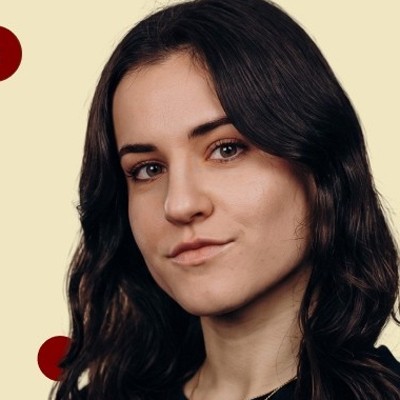
Montauk’s Electron Economy Lens Starts With Present Market Demand
Elisabeth Iszauk’s framing of the electron economy gives Montauk Capital a wider investment map than the usual climate label. The category is less about branding and more about deal discipline. Montauk is looking across the generation, movement, and productive use of electrons, which lets the team evaluate energy, electrification, grid, industrial, and thermal opportunities through one shared lens.
That matters because Iszauk’s career has moved across the same stack. She began at Accenture in New York, working with utilities and energy retailers on grid decarbonization solutions. That role shaped her view of the power system as an operating machine with legacy constraints, customer economics, and technical bottlenecks. She then moved to Extantia Capital in Berlin, investing across climate with a bias toward deep tech and hardware. When she returned to New York last November and joined Montauk Capital, her investment frame had become more financially strict.
Her core test is whether a company can win in today’s market structure. Iszauk said, "I view it more as really a true financial problem". In practice, that means Montauk can care about emissions, resilience, and electrification while still requiring a business to compete on cost, reliability, or performance without waiting for policy repair.
The Current Market Filter Before Green Benefits
Iszauk described a change in her own investing lens from broad climate exposure to sharper market realism. During her Berlin investing period, she saw opportunities across carbon markets, software, and deep tech. Since then, she has seen greater headwinds for categories that depend on immature market design.
Her framework can be stated plainly. A venture backed climate company must satisfy the same financial logic as any other venture company, then carry the sustainability benefit as a result of superior economics or performance. She warned against making environmental value the main underwriting case when customers still buy on price, reliability, risk, and operating fit.
Iszauk said, "we want to make sure we're investing within the current financial markets." That line is the strongest filter in the episode. It rules out business models that require a future carbon market, a major regulatory rewrite, or customer behavior that has yet to appear. It pushes capital toward companies that already have a buyer, a budget line, and a reason to switch.
For founders, the lesson is direct. The climate outcome can strengthen the narrative, but the first question is still why the buyer pays now. In Montauk’s electron economy frame, the best answers come from lower cost power, better industrial heat, grid capacity, energy security, or equipment that makes electrification easier to adopt.
Geothermal and EGS as the Heat Version of Oilfield Skill
When Blake Newcomer asked what technology excites her, Iszauk answered with no hesitation. "Geothermal for sure," Elisabeth Iszauk said.
Her reasoning is based on both technical fit and labor fit. She first spent time with geothermal while at Extantia, which had invested in GA Drilling before she joined. As she assessed more geothermal companies across power production, heating, and cooling, she saw a mismatch between the resource size and the sector’s maturity. She pointed to enhanced geothermal systems, or EGS, as a route that draws directly on oil and gas drilling skill.
The workforce angle is central. Geothermal can use the drilling, subsurface, completion, and project execution talent built by oil and gas, then redirect that capability toward heat extraction. In Iszauk’s words, the opportunity is to apply those skills "instead of drilling for oil, drilling for heat."
She also made a useful distinction between residential geothermal and power scale geothermal. Residential systems, such as those tied to ground source heat pumps, can work on smaller footprints and shallower drilling. Power production, where Iszauk shows stronger venture interest, depends on deeper drilling and resource conditions. She named Dig Energy as an example in the residential heating and cooling category, and pointed to Fervo as a company that has opened the market technically and commercially.
Her technical thesis is simple but expansive. "If you drill deep enough, you can access the Earth's natural heat and use that as a way to produce geothermal energy," Elisabeth Iszauk said. EGS and advanced geothermal systems, or AGS, turn that idea into a venture question. Can drilling cost curves, reservoir design, project finance, and offtake demand line up fast enough to make geothermal a repeatable power platform?
Montauk’s Studio Sequence: Research, Company Shape, Founder Fit
Montauk Capital’s operating model is a venture studio, but Iszauk described a specific version of that model. The team is made up of venture investors and company builders, including a CEO who previously founded and led Casper from founding to IPO to sale to private equity. That zero to one experience is part of the studio’s founder support system.
Montauk’s method starts inside the firm. The investors identify white space, study the technology and commercial structure, and shape the business before installing the founding team. Iszauk described the intent as getting "the business to a state where the technology and the business model was relatively fleshed out" before bringing in founders to scale it.
That is a different risk allocation than a standard seed round. Montauk is taking early market and formation risk before the company has a full team. The studio then uses its talent function to match the right founding profile to the business. For deep tech sectors like geothermal, this sequence can matter because the initial company design must connect science, project economics, customer demand, permitting, and capital intensity.
The episode’s geothermal thread shows why the studio model fits Montauk’s electron economy thesis. If a market has technical white space, existing industrial capability, and a clear demand pull for clean firm power, Montauk can build around that opening rather than wait for a fully formed startup to arrive. The playbook is research first, company architecture second, founder fit third, and venture scale execution after that.
Frameworks from this conversation
- The Current Market Filter for Climate Investing
- The Electron Economy Thesis for Power, Grid, and Heat
- EGS as Oilfield Talent Redeployed for Heat
- Montauk’s Research First Venture Studio Sequence
Full transcript Click any timestamp to jump to that moment in the video.
-
Oh, today on the show we have Elisabeth Isjac. Elisabeth is an investor with Monta Capital who on their website says that they are investing in the electron economy. That is a term that I had not seen outside of their website. Uh if you're familiar with this show, you know that we use the term climate tech. Um
-
we've discussed on this show a lot of different ways to refer to the industry, green tech, nature tech, all of these different things. And in the episode, Elisabeth is specific about the fact that they do not use the term climate techch. They use the term electron economy because for them, it creates an
-
opportunity with their thesis to invest in a lot of interesting technologies across a ton of different domains um that all contribute to the generation and transport of electrons. So that was the initial reason uh why this podcast came together. We ended up talking about a ton of different things including uh going deep on geothermal because
-
Elisabeth has specific experience um not only studying and working with companies but actually doing research at Montalk identifying white space in the geothermal industry and then uh using the Montalk capabilities to uh construct a founding team give them an init an initial investment and effectively launch a geothermal company. So that was extremely interesting to talk to her
-
about. Uh we get into a lot of different things. Very educational for me. I know it will be for you as well. Thank you as always to our sponsors, Clean Tech Growth Lab. If you're looking to grow in clean tech, they're the people to do it with. And the producers of this podcast,
-
Craz Friends. And with that, I give you Elisabeth. Oh, welcome to another episode of The Grove. Shout out to our sponsors mentioned just before this, but without them it would not be possible to interview awesome people doing awesome things like Elisabeth. Welcome.
-
>> Thanks for having me. >> What is going on? Before we get into a conversation about something you've said >> that is all over uh what I can read about Monta Capital, which is the electron economy. Before we get into that, could you give a brief introduction of yourself and what you're building?
-
>> Yeah, of course. Yeah, thanks again for having me. Um, as Blake mentioned, I'm Elisabeth. I started my career in energy. So, started as a strategy consultant at Accenture, was based in New York for a few years, was working exclusively with utilities and energy retailers on different types of grid decarbonization solutions. So that was
-
really my first lens into the complexity of our current energy s system and I also really grew an appreciation for it and started to have some ideas of how it could be optimized as well. After a few years in consulting I started to look into the world of VC and ended up landing a role at Excansia Capital in
-
Berlin. So moved there for a cap couple of years focused really investing across everything within climate. I would say a bit more on the deep tech hardware side of things. Definitely loved that role. Loved investing at scene series A and felt very closely aligned with an early stage investing role. Um but eventually
-
Miss New York was very grateful for my time in Berlin and across Europe and all the connections I made. But it was definitely time to come back. So I moved back to New York last November. joined Montalk Capital shortly after that after meeting the entire team and felt really excited to be part of what they were
-
building. >> So, was there always a narrative in your life around climate or deep tech or what was it that happened that sent you in this direction? >> Yeah, I'd say definitely definitely a narrative around more technical problems. I was definitely always someone who loved STEM and science and engineering. That was definitely always
-
my biggest passion I would say. Um, ended up studying biology and biomedical engineering in college. Worked in a variety of labs, both academic and industry labs. Um, ultimately realized I was a bit too social likely to continue doing that long term. Wanted to do something um, with a bit more people involvement I would say. Um, and also
-
something moving faster pace. So I would say that was one realization. Um, and most of my research was also focused on biomedical and biochemistry applications more or in a health landscape, not as much climate. Um, and it was actually one of my professors in college who was a biomedical engineering professor who used an entire lecture to tell us about
-
the IPCC's latest report on climate change. He explained the severity of climate change and explained to us why if he knew more about the state of climate when he was our age, he would have actually pursued a career in it.
-
And that was really and he was also it was also a unique class because he was actually an ICU doctor and the whole class was >> telling us current problems in the ICU. Um he was an attending doctor. So really the head of his department. Um and he used the entire class instead of having
-
us figure out as biomedical engineers another problem um that he was working on to present a solution he used the entire class just to talk about climate and why instead of being at field he would have done something else. Um so that was really poignant to me and made me really reconsider what I wanted to do
-
and made me learn a lot more about this topic. I would say >> shout out to that professor. >> Yeah. Yeah. He's he was a special one. Um so yeah, I'd say it was kind of those two realizations like probably from a research perspective like I'm a bit too social to enjoy doing this long term.
-
>> Sure. >> And I want to do something in climate. So started to think about what else was possible. um and ended up realizing did not know what consulting was at the time, but ended up realizing that I could specifically work on the utility strategy team and work on different types of grid problems, which seemed
-
like a good first step to do something still connected to the physical world, which I've typically felt a bit more strongly about. >> Um, and do something touching climate slash learn about business things more broadly. >> Cool. So with your Okay. So then you started uh on this journey >> in uh in Germany. You would say that was
-
the first exposure to investing. >> Yes, I did. Um I during my last roughly I'd say six or so months um while I was at Accenture, I did have the opportunity to do some part-time like oneoff work with a firm called Atypical Ventures.
-
Um, so I did that in New York for a bit, worked mostly with an amazing principal who kind of really helped me confirm that this was the type of work that I would enjoy doing and wanted to do something like that full-time. So, I'd say that was my first kind of confirmation like yes, this is as
-
exciting to me as I envisioned it to be. And then, yeah, came across the role in Germany. I have way more family in Germany than I do in the US. I'm half German, so it made a lot of sense to try and move there at some point.
-
>> So then, so then between um Okay, so I guess I I'll I'll stay with that. Between when you uh had had started with your exposure to investing >> with your time in Germany and then your time back in uh in New York, what has changed as far as your approach and your
-
understanding of what it means to invest in climate? Yeah, I mean I'd say the state of the world has changed quite a lot obviously. Um I think when I started investing in Berlin, we could look at really everything across climate. We could look at things that touched carbon markets.
-
We could look at really a variety of technologies including a tech as well. And I'd say those things have really faced significantly more headwinds in throughout my time investing in Berlin. Um, and then definitely when I moved back to New York and I think I view the lens of how I can do something to invest
-
in climate quite differently in the sense that I don't view it as specifically a climate problem. I view it more as really a true financial problem and what's the best way we can kind of approach reindustrialization more broadly so that it's better financial impacts which ultimately are also more sustainable more efficient solutions lower cost solutions that as a
-
result of being those other characteristics they will also be more sustainable. So you're so you're saying that specifically that um that super financial uh attention or focus wasn't there at the beginning? >> It definitely was there at the beginning. I think it's always I mean as a financial VC investor it's always the
-
thing that's at the forefront but I'd say really the key difference is making sure you're not tacking on other I would say like green benefits as a really core benefit to assess within the business. I think it can be a side benefit but it can't be the core piece you're assessing and you need to be investing in markets
-
>> where that already exists today. I don't think especially in the US with our current regulatory landscape, I don't think you can bet on the buildup of a carbon market for example, we want to make sure we're investing within the current financial markets.
-
>> Cool. So then right before we get back to mom talk, do you personally have anything that uh excites you? Any space, any technology that you know in like uh invested in or not or something that you might have just like read on LinkedIn or something? anything that just comes to mind as exciting for you?
-
>> Geothermal for sure. >> Well, why? >> Um, I think it's always been so I I feel like I first started learning a lot about geothermal while I was at Excansia because prior to me joining they'd already invested in a company called GA Drilling. Um, and the more I learned about geothermal as a topic and because
-
of my natural interest, just started to be the one to really assess most of the new geothermal companies that were coming up as potential investment targets both in terms of power production and heating and cooling. It was just the more I learned it was kind of crazy to me. This is probably 3 4
-
years ago. Crazy to me that this was not something that was further progressed. It really felt like a no-brainer, especially in the US. But in terms of EGS technology, which is largely just fracking, like this is such a clear way to use the immense talent and engineering aptitude of the oil and gas
-
workforce, but apply it instead of drilling for oil, drilling for heat. >> So, it's it's really and it's if you look at the geothermal companies today, the makeup of those teams is largely oil and gas. So to me, it's such a clear way to for that workforce to still use their same skill set that we really so
-
desperately need in geothermal, but for a clean technology. Um, and I mean, if you look at Furbo now, it's obviously a different state than when I first became interested in geothermal. They've really opened >> the market in a way um that has not been done before for everyone else, both from a technical and commercial standpoint.
-
Um, but yeah, it's it would seemed like such a no-brainer that it was shocking to me that this was not more scaled up, but now we're really seeing that change. >> Wow, very cool. So, I guess I guess just quick off of that for for for geothermal, how much land do you need? Like where
-
are these deployments able to happen? And then how far cuz I because I've read about you know like small scale people using it for their homes for example or at least similar technology for their homes but uh what are what's the extent of uh industrial applications like where you know would you be able to have uh
-
geothermal heat funneled into Manhattan somehow? >> Yeah. So there's a lot of so there's different you're referencing a bit different types of geothermal. So if it's at someone's house like a residential use case that'll be for heating and cooling. There's a lot of great companies working on that like Dig Energy for example that can be on a much
-
smaller footprint in someone's backyard. You don't need to drill as deep to access that and you're connecting to a ground source heat pump to access that heat and cooling. Um and then there's power production use cases that I would say from a venture investing perspective I'm a bit more excited about. Um and
-
have spent a lot of time on at Montalk actually building a geothermal company which I'm happy to talk through later. Um but that is there's key areas where that especially in the US where the natural um characteristics of the earth are really best suited for EGS in particular especially along the west. Um but the
-
idea with these next generation types of geothermal including enhanced geothermal systems EGS advanced geothermal systems AGS is that in theory you could drill anywhere. If you drill deep enough, you can access the Earth's natural heat and use that as a way to produce geothermal energy. That's the idea.
-
>> Wow. Okay. Well, we did you slid it in there. That was nice. That was a really good transition. So, uh, so you said there there is geothermal work that you're doing with Montalk. Um, but overall, could you describe what Monttok is, what you guys are doing, uh, and this idea of the electron economy?
-
>> Yeah. Yeah, of course. Um, yeah, Monttok is a mostly venture studio. We're all venture investors. Some of the founders have entrepreneurial backgrounds. Our CEO was actually the CEO and founder of Casper, the kind of original TTOC mattress in a box company in the US.
-
Yes. So, he's I think he's an amazing resource to founders in the sense that he has done to a very high degree 0 to1 execution of a company in a venture scale. He led it through. He was a CEO from founding to IPO to sale to PE. So he's done that full life cycle very
-
successfully. >> Didn't they say at one point they wanted to be the Nike of sleep? Was that them? I don't remember. >> I can't confirm or deny that [laughter] but um >> anyway I thought that was >> but I love Casper mattresses. I have to say I was an user when I used to live in
-
New York and I was so sad that I couldn't get them in Germany. >> Okay. So So okay, so you guys sidracked. Um so we have him. He has co-founded a couple of energy businesses with one of our other co-founders, Evan. So, they kind of had that venture studio, that venture building experience together and
-
they wanted to come at a venture studio with a bit of a different angle. They didn't want it to be co-founder matching co-founders or necessarily coming with idea and a lot of those companies like statistically like tend to struggle a bit more and struggle to raise future rounds etc. They felt like within the
-
space of energy electrification there there was an opportunity to build a venture studio where the investors within the team were highly specialized in the space and had the expertise to get the b to do the zero to one motion within the team first get the business to a state where the technology and the
-
business model was relatively fleshed out and then bring on the right founding team to go scale that company and we have an amazing head of talent who's really I the core of helping us assess and figure out the right places for the talent that we do meet.
-
>> How uh I mean I just asked you about this and I already don't remember what you said so this is good. How uh common is this model? Like how many other people are playing in the space of market analysis, good idea develop uh to one and then hire a team.
-
>> Yeah, there's definitely like I would say a handful of other incubators with this model that exist. I would say there's like the one that definitely comes to mind um particularly in Europe is Marble based in Paris. They have a great team specifically focused on climate where they also have a similar venture studio model as well. Um and
-
they are very focused on specific areas. We actually invest in some of their companies at Exansia. So very familiar with their process and team and definitely think highly of that venture studio. Um, and there's also a lot of other venture funds that will have a team. I would say there's I know of a
-
couple of generalists in New York, for example, that have teams of an investor, kind of an incubation lead, and they do a combination of investing and incubating every year. Cool. >> Cuz I think with the investor background, you have a unique >> eye into what's working well in the market, what's not working, and where
-
there's remaining white space to build something. >> Okay. So tell me what this electron economy is cuz I don't understand >> missed on that. [laughter] Um got too excited about the other topics. >> That's okay. That's >> um yeah so the electron economy to us is really investing in the shift toward electrified intelligent businesses. The
-
way I des the way I think about bucketing it um to also give founders and other investors I meet a better idea of what we're building within is >> to me if it's really anything that touches energy resilience adaptation or efficiency or any piece of the digital backbone that enables any of those
-
buckets it's probably something that we would look at or consider and really I think it's best if I explain the range of companies that Mont has built. So, Mont has built and launched 12 companies to date in the last two years. So, we're a small team, but we definitely move quite quickly. Are
-
>> you cranking those out? >> Yeah, we're really cranking them out. Um, and we've built companies in space tech. We've built grid tech companies. We built this geothermal company. We've built a company in cryptography. We've built a company doing ERP systems.
-
There's really such a range. Um, which I think is quite exciting. It's quite an exciting spot to sit in because we're really not limited and we can think about industrialization quite broadly. >> Yeah. >> So then, so then something I love talking about on this podcast with a range of people because it's still
-
there. So, at least from my perspective, a lot of people have different opinions, but >> what is your opinion about the label of climate tech or clean tech or green tech? And why is it that you guys don't strictly associate with climate tech?
-
>> Yeah, I think we don't want to we don't want to limit ourselves like if it's something that is touching those areas that I mentioned and it's pushing forward our transition to electrified businesses than it can be within climate tech like that sorry than it can be within what we call the electron
-
economy. I think it's really about does is this something that is you know helping the the transition from hydrocarbons to electrons like that's I would say really the core of what MTOK is and we don't need to because it is really beyond climate tech like we're also we think a lot about industrialization more broadly we think
-
about like robotics for example and other applications that are not specifically a climate lens. Cool. >> Which I think is the right route for a VC investor. >> Okay. All right. So, some some some questions that I usually ask people that are in the VC investing space have to do with from a founders's perspective, how
-
do you better understand uh what it means to position yourself >> uh to come into a conversation with you and talk about a ra um uh raising a fund uh raising a round >> and uh what things do you look for in uh in a founding team or a company? Uh and then and then how do you see people be
-
successful in deploying the capital that you eventually invest? >> Yeah. Um yeah, I can talk about this more from the lens of my time at Exansia since I was really focused on investing there. Um, I would say obviously it's very dependent industry to industry, but I think really there's a couple of core
-
skill sets that I look for in founders regardless of what they're building. I'd say number one is really their storytelling capability. I think some people there's obviously a training element where people can work on this and improve and not everyone is suited for the C the CEO role and not everyone is suited to build a venture scale
-
company and play that game. There's many people who can build amazing sustainable businesses for themselves but it might not be the right venture opportunity and that's fine because it's a totally different game to play. So, I'd say having that storytelling ability nailed down to be able to really sell your vision and get a variety of parties
-
excited, whether that's investors, customers, potential partners, etc. I think it's really key. It doesn't matter what you're building, you need to be able to communicate that highly effectively and galvanize any audience you're talking to. Um, say that's number one. And I'd say kind of the second core piece that I look for is their ability
-
to really learn at a high rate over time. Like my favorite way to look at a company is to catch them at an early stage. Like for example, when they're spinning out of university, have quarterly potentially every six month calls with them to see how they're doing, be helpful when I can, and really
-
use that as a way to see how they're progressing before I invest. Like I would my goal always was to meet a founder 6 months to a year before I invest. I felt like if I met an amazing founder at the time when they were raising around as a seed investor like I
-
messed up like there was something in my sourcing where I wish I would have caught them earlier to be able to see them along that journey. I think that's really important. Um and then I'd say the third piece is coachability. Um are they not the third another piece is coach is coachability. Um, are they able
-
to take on feedback? Are they defensive? Are they collaborative? Like these are really the key things. Like you really, it's a really long relationship. It's going to be 10 plus year relationship likely with a founder. You need to see that earnest ability to take on feedback and take it well and not act defensively
-
at an early stage. If you're already seeing that in the time that you're assessing them, it's probably not going to be the right fit. So on on that second point, you talk about learning. >> What [snorts] does that mean actually?
-
You know, what does it mean that someone if you've been following uh for a year and you've had two or three calls and you can say like this team [snorts] is successful in being able to learn and this team does not.
-
>> Yeah. I think for example if maybe at the time when they're spinning out of university they are looking at one kind of like beach head market as their segment that they think they're really going to go after from day one. They think it's going to be the best market use case for them. Um they end up
-
actually spending more time with that market and realizing for a variety of reasons that it's not the right fit. Maybe they're just a bit too early. Maybe the customer doesn't actually really need it today. maybe they can't come to agreement in the right contract structuring model that will enable that company to scale. Um, and they recognize
-
that and they're not too headstrong to think that they can make it work regardless and they pivot to be able to find product market fit. I would say that's an example like things like that are what I like to see. I don't really expect any preedstage company to have everything exactly figured out and to
-
not change anything by the time that I would invest at seed. But it's just that that progress that >> the progress they've they've progressed the company in a way taken external feedback from other investors, customers etc. other team members um and made changes and real progress in a way that is better for the business.
-
>> Cool. So then the second piece >> Mhm. after you've watched people uh learn, after you've given them really harsh feedback and receive it very well and you say, "Okay, I want to do this uh you invest." What are some uh before you know before we talk about the the studio and everything, what are uh good ways
-
and bad ways that you've seen uh capital be deployed in this space? I think good like I think something in terms of a good way we this is something we always talked a lot about at while I was atio we'd love to see what we called capital efficient founders that was something we
-
discussed a lot like did they >> did they use their money in a way that was highly useful were they spending it I don't think we saw this as much in Europe but like were they spending it on like let's say for example like lavish parties or were they spending this to especially as mostly
-
Um, I would say like hardware investors toward the early days of my time at Extansia. Um, were they using it to really figure out the best way to showcase progress of their likely like hard tech product that was going to take several years to scale up or were they using it in a way that was not the best
-
use case? Are they paying themselves meaningful salaries that are not too excessive as well? That's something you're also, I would say, looking at at the time of an investment. Um, we want to see that they're doing things in a way that's showcasing scalability in a way that makes sense to unlock the milestones
-
needed for the next round and being really just laser focused on those milestones, I would say, beyond anything else. Um, yeah, and I think if they're doing really anything beyond that, it's not going to look well for a future round.
-
>> All right, so let's go back to the, uh, the venture studio thinks. That's something that I definitely care about, something I think is very interesting and something I wish was a lot more popular in the world. So, >> um, just remind me how you guys approach it, how it operates currently. Uh I
-
don't know if you could talk about like at what point in your research you decide this is a viable thing to go for and now we enter X stage where we do you know thorough discovery and then we >> have a hard cut off or we hire CEO you know what whatever that is and you can
-
um use the the geothermal company as an example. >> Yeah. Yeah. I'll say like it's definitely differed across companies what we do. We don't necessarily have a hard and fast process for company building. But I'd say the general approach an approach that we took for geothermal like and it's really like I joined Monttok specifically to help them
-
to start my time with them to help them build this geothermal company. It's a space that as I mentioned I had been excited about for a long time looked at a variety of companies in the space. So I had a relatively a relative idea of kind of the profile of company that probably would be best to build to
-
create a venture scale business in the space. Um from my perspective just to give some guidelines that was likely going to be a developer with a significant tech edge for sure. Um and then it was likely also going to be an EGS company. I felt like that was really what was taking off was the most
-
scalable again using taking advantage of our existing oil and gas workforce in the US etc. Um so those were kind of the general parameters and we started the process by talking to really every company in the space. So we wanted to one and these were all companies that I already had existing relationships with.
-
Wanted to understand one like what was the latest on them, what were they working on, any recent milestones that they progressed, anything surprising that happened, you know, like really key technical updates. Um, and then beyond that, the second piece we always like to discuss with them was if we were to build a company in this space, how could
-
we best collaborate moving forward? And then three, which I think is really the most important question to assess with people who are really working at the forefront of their space is where do they see the meaningful white space to push the industry as a whole forward.
-
That was really the lens wi which with we approached um building this geothermal company and I think it resulted quite well and we got the company we talked to a variety of existing founders. We talked to experts. We talked to other key investors in the space. Um, some who are specifically just focused on geothermal, for example,
-
that have been really helpful resources, I would say, throughout my geothermal journey. Um, and we got the company to a state where we had some outline and like really key ideas for the tech strategy, I would say. um but also wanted to allow for flexibility for whoever the CEO coming in was to really put their stamp
-
on it and push the business in a way that it was really their business. Um and then we also had some key ideas around the business model as well. Um started socializing that started asking our existing connections who would be really the best people to talk to for talent in the space. Um and eventually
-
we were by actual multiple people were introduced to who is now our CEO Mike Matson. Um we met him I think just a couple of times. It was very clear he was an amazing fit and we need to convince him to join us and he ended up joining shortly after and then he was
-
really the one who brought on the rest of the team based on his outstanding existing network which is not always the case. I would say it's [snorts] often a bit more heavy lifting on M talk side to find the right key talent, but this was kind of a unique case where our CEO just
-
has that in multitudes was able to do it himself. So when you were so when you were doing that initial um that that research talking to people you were talking in you were talking to companies that were already leading in the space and then also uh potential uh buyers or customers or industry partners and then
-
also investors and then other people like across the board. >> We looked at really we talked to everyone across the geothermal space. We talked to power production company developers. We talked to tech providers. There's so many in the geothermal space like you know people like the hephes of the world doing high temperature sensors
-
and electronics. We talked to teraferno working on flow control devices. Um we talked to critical energy doing a kind of a new type of surface turbines that are more optimized for geothermal. Um really everyone across the geothermal landscape to understand what their key pain points were and really what's needed here today. Okay. So I'm uh
-
without understanding more deeply I guess what the specific company is with the value proposition. I'm assuming it's a novel technology or at least an approach. Is there any patents involved? Like do you guys set all of this legal uh you know financial structure together and then hand it to a CEO and say scale
-
this? Is that how that works? I would say it's a bit more collaborative like we when we're meeting with different like experts and then eventually like kind of founding team member candidates we present the our current thinking to them with the intent that they should have their own perspective that likely challenges us makes additions or edits
-
to what we have. like we want it to be something more we want to be something more collaborative where they can really put their stamp on it on the end and say like this is my company and I'm super excited to build this.
-
>> All right, great. That was a great run through. I appreciate that. So just like yeah yeah yeah is that you do um okay so then uh so then outside of geothermal even though I am interested in making this just extremely technical specific geothermal [laughter] um uh market research what I guess with
-
the work at Montalk where are you guys pointed like where's your focus where's the future headed for you guys >> let's see there's a variety of companies um I would say in the works really at all times like I said have been something we're excited about definitely is robotics. I've been spending time
-
there. I think there's a variety of different business models that one could pursue in robotics. You could be a horizontal player, maybe integrating a variety of customers with the right OEMs and figuring out the right robotics configurations for different customers.
-
You can be a verticalized player really with a very specific mo and wedge solving a very specific customer need. I would say likely to address labor shortage problems. Um that's something that we've been spending time thinking about what the right company build is there. For example, um I would say we're we're always excited about space. We've
-
seen our company Mantis Space that Monttok launched um I say a little over a year ago has done quite well um and really pushing forward the space tech economy forward. That's a space I think we'll continue to think about. Um we also recently launched a company called Perimeter Compute, edge compute um really at the metro edge specifically in
-
commercial use cases in cities. Um, so lots of things happening at >> Montalk. >> Um, so as it goes with this space, there's also uh companies that form and bets that you make that don't work out. >> Yeah.
-
>> So is there a notable example of something that you felt like or the montage team was really excited about that ended up not working for one reason or another? Yeah, I think there's I mean it's definitely the nature of I would say any like the companies that Monttok has built so far like they're all
-
progressing in a way that we're happy with, but obviously it's still early. So let's see where that lands. Um, but I think part of the venture studio process is definitely coming up with ideas, just just throwing so many ideas out there and discussing them and debating them as a team, getting buy in from, I would
-
say, the partners, getting buyin from other team members, and really like stress testing that idea at the early stage. So, there's plenty of ideas that get thrown out and we realize, you know what, the market size isn't big enough for this. This is probably too niche, not really a venture scale idea. Or
-
maybe it's betting too significantly on tailwinds that were kind of on tailwinds that might not continue to persist in the way that they are today. Or maybe it's a great idea, but we can't find the right talent for it today. So, we kind of shove it for now. I'd say there's a variety of um
-
yeah, things that happen. I think it's just the nature of a venture studio. >> Are there are there people that you come into contact with? because there are certainly these people out there uh at least online that I've come to contact with that aren't fans of a VC studio model or uh the role that it plays in
-
the ecosystem or whatever. >> Yeah, I mean I think it's definitely it's definitely a different model in the sense that we were building the com because we're doing the initial stages of company building and finding the right founding team. were inherently taking ownership in a way that a co-founder would not have to deal with if they were founding
-
a company themselves. >> So I think the piece of ownership is just a different profile like we're also kind of a co-founder of the business in a sense and we are so involved with them in the early stages that it's just so much of our time versus a traditional VC investor doesn't need to spend. So, it's
-
also it's a different mindset for I think a founder coming on. Like, if they feel so galvanized about building a business themselves and already have an existing idea, they're probably just going to do that themselves and aren't going to have a VC take equity from day one when the company's incorporated. But the benefit of that is we can bring on
-
founders who maybe didn't want to take on that risk themselves um in the same way that a non-incubated company would have to to take on I would say and they also get our network and advice from day one. They get experienced investors. So they don't have to kind of they don't have to fight in a way that I would say
-
other founders might have to when they're raising a preede like we'll do the preede that's done. they already have capital in from us, then we'll bring in external investors for the seed. >> Is there any consistency? Because like you said, there's a lot of different spaces that you guys are operating in like
-
>> Yeah. >> Um but it's all Is it fair to say it's all relatively deep tech? >> We're not. No, I I wouldn't say we're a deep tech fund. I think we've built a variety of we built a variety of companies. Some are software platforms, some are software enabled hardware, some are deep tech companies like I mean
-
there's spacebased solar. Um there's we have a company called gridvar that's working on a grid intelligence platform that's a software only platform at the moment. Um we have birch geothermal which is a tech enabled EGS developer. Um, but I'd say it's definitely a variety of profile of companies and generally we always have a lens of
-
scalability. So, we want to make sure that we're investing in companies with I would say reasonable time horizons >> um and that'll really align with the venture scale. >> Okay. Uh well the reason I ask you is just I'm curious if across uh across the companies that you either invest in or start you say you're very hands-on at
-
the beginning. Is there any consistency with the things that these different companies are working through >> or does it vary because uh if it's deep tech a lot of the the early years are very aggressively developing the technology >> with with the idea with that beach head market idea in mind. But as you progress
-
in technology and stress test and it changes that that always moves. >> But if you have I guess some uh kind of software solution that might be further along in its development that you can be more aggressive at customer acquisition.
-
Absolutely that. So so is there consistency across um across the the number of companies >> what you are very hands-on and helping companies with or does it vary pretty greatly? Um, I think it definitely varies, but there's a couple of core things that we are very hands-on with.
-
I'd say with every company, I think with like helping with their initial early hires, that's something we spend a lot of time thinking about and working through with them and also their seed fund raise. That's something where we're also very hands-on helping in helping them think through the right materials that should be included for in a data
-
room for example, the right way to engage with investors, the right investors to engage with. We'll do intros within our network that make the most sense for founders within their given space. Um, and I think the fundraising piece is a piece that any founder or first-time founder likely needs to learn a lot quite a lot about.
-
And we've brought in founders through our studio that are not firsttime founders. So they have experience themselves. Um >> but I think the fundraising piece is really, you know, we're bring people in that are experts in the space that we're building in. So they typically need less help there and more with the VC
-
landscape, I would say. >> Okay. So one more for you before I get to my my two favorite questions at the end. >> Yes. uh a lot of the the content and a lot of uh what we're doing at Earth Onward and the Grove is very heavily go to market focused talking about like
-
orienting a product with a population in the world that you can actually work with and things like that. >> Um in whatever way you want to take the question what >> how do you see companies at these stages be successful from a goto market standpoint and not successful? I guess one piece one piece comes to mind um in particular
-
for companies that are a bit more assetheavy is I think from a go to market perspective like one making sure they personally have deep relationships with the customers they're selling to and then two >> pre-existing or >> ideally pre-existing we're bringing in people who are really experienced experts in their space with like likely
-
decades of experience and they in theory should have the network to really have those relationships established and bring us bring us on board with the go to market strategy they really want to pursue. So I'd say that's one piece of it. And then I think for any hard tech investor or any hard tech founder I
-
would say it's doing something a bit more asset heavy today. It's really beneficial to the company and to early stage and early stage VC equity investors if they can figure out structures that are not as dilutive for them and also not as dilutive for BC investors. So if they can figure out JV
-
and offtake structures for example and not have all of the all of venture funds equity going into actually building the product and really keeping it more at like the IP kind of trade secrets level I would say in the topco level. Um, I would say that figuring out how to bring in project
-
finance earlier is something that can really help accelerate go to market and also help retain equity for earlier stage investors. Um, so I'd say that's something that works quite well for early stage >> yeah early stage especially more asset heavy founders.
-
>> So cool. All right. So with the work that you're doing uh at M talk right now uh again however you want to take it but I guess you're very heavily involved in the in the studio space. So >> what is the biggest hurdle uh that you're facing as far as uh growth or you
-
know development in the space and how is it also an opportunity? I mean I think when we build first build any company and like officially launch it out of stealth for example the the main goal after that it might not happen right away but I would say in the current state of the investing world is that
-
investors even a seed expect some level of customer traction in a way that was not expected let's say 2 years ago like companies could raise a seed round with an amazing story amazing vision amazing technology and not have book traction yet in a way that is typically much harder today. It's not necessary in all
-
spaces. I would say things that have AI attached to them in some way. Um don't necessarily face that hurdle as much. But I think C a lot of companies have to be just more I think with that like the go to market piece that I mentioned more creative and more like really pushing
-
the boundaries of what's possible in their space to get some type of traction earlier and maybe it's a unique partnership model with a particular customer that will eventually convert into a large contract but something in place I would say at the time of seed that is typically historically like has not needed to
-
happen and it's something that I think is increasingly expected of today. But that's certainly an opportunity for companies as well. They it's I think it's really forces them to think through the like >> go to market and financial structuring boundaries of relative to what other companies in their space had to think through two years ago. So I think it's
-
ultimately going to result in better progress for >> Wow. That's really interesting. Uh I have a bonus question just because you technically asked yourself and I am curious I guess for your personal growth if there's any hurdles that you're facing and how they can also be an opportunity.
-
>> Um I wouldn't say any particular hurdles. I think just it's always it's part of why I love doing VC investing and why when I first learned about the role and realized, oh, I'm just getting paid to learn new things and really just kind of scratch the curiosity itch in so many different avenues. I think it's
-
it's sometimes a hurdle. I would say um starting the process of learning about a new area just because it's there's just an infinite amount of information to cover about a new sector for example. Um, but I don't view that as a hurdle. I view that as quite exciting. It's just a different amount of information to
-
uncover relative to other industries that I have more context in. But I think that's the to me that's the beauty and one of the most exciting pieces of the venture model that you just get to explore all of these spaces and meet amazing founders and other investors who are really at the forefront of it.
-
>> So much opportunity. >> So much opportunity. >> All right. So with all of this opportunity then and uh you know all this work this infinite work to be done curious what inspires you? I think for me it's always been the like I want I've always wanted to be a part of like kind of pushing the
-
technical boundary of what currently exists in the world whether that's from like a software perspective whether from a deep tech perspective and also find and I think for me like where I've found my personal niche is being able to one be very excited about specific spaces, connecting the right people to eventually find the right founders um
-
and really support them in a meaningful way. And I think the thing that really inspires me most dayto-day is always the founders. Like I think especially during my time at Excansia, I could be I could be very like you know maybe was up late like working on an investment memo or something like that and was a bit more
-
tired that day and then I have a call with just this like really outstanding founder who is bringing me on such a journey of what they're working on and thinking about a solution in a completely different way that I think is always just super exciting and felt very always felt very grateful for that.
-
>> Wow. Well, I feel the same way. You know, I get to talk to similar people including you, you know, in a uh in on a weekly basis and I can definitely share that it's uh it's very inspire. I was actually just it's funny. I was talking to one of my friends yesterday and I
-
told them that at the end of each episode I asked that question. So then they asked me that question and that is exactly uh an example that I gave. So So I I hear you on that. >> Yeah. If anyone else is uh excited or inspired about your journey at Mont Talk, what's the best way to get in
-
touch or follow along? >> Definitely LinkedIn. Just message me on LinkedIn. Elisabeth is Elisabeth with an S instead of a Z. Um and can see my last name, I assume, on this podcast episode. And yeah, just message me and I'll I'll get back to you.
-
>> Awesome. Well, thank you so much for your time. I learned so much. I'm going to go back to Philly and start Venture Studio tomorrow. Let me know. I can be an adviser. >> Awesome. Well, thank you. >> Awesome. Thanks for the time.


